In China's website development industry, “brand websites” and “marketing websites” have long been sold to clients as opposing concepts.
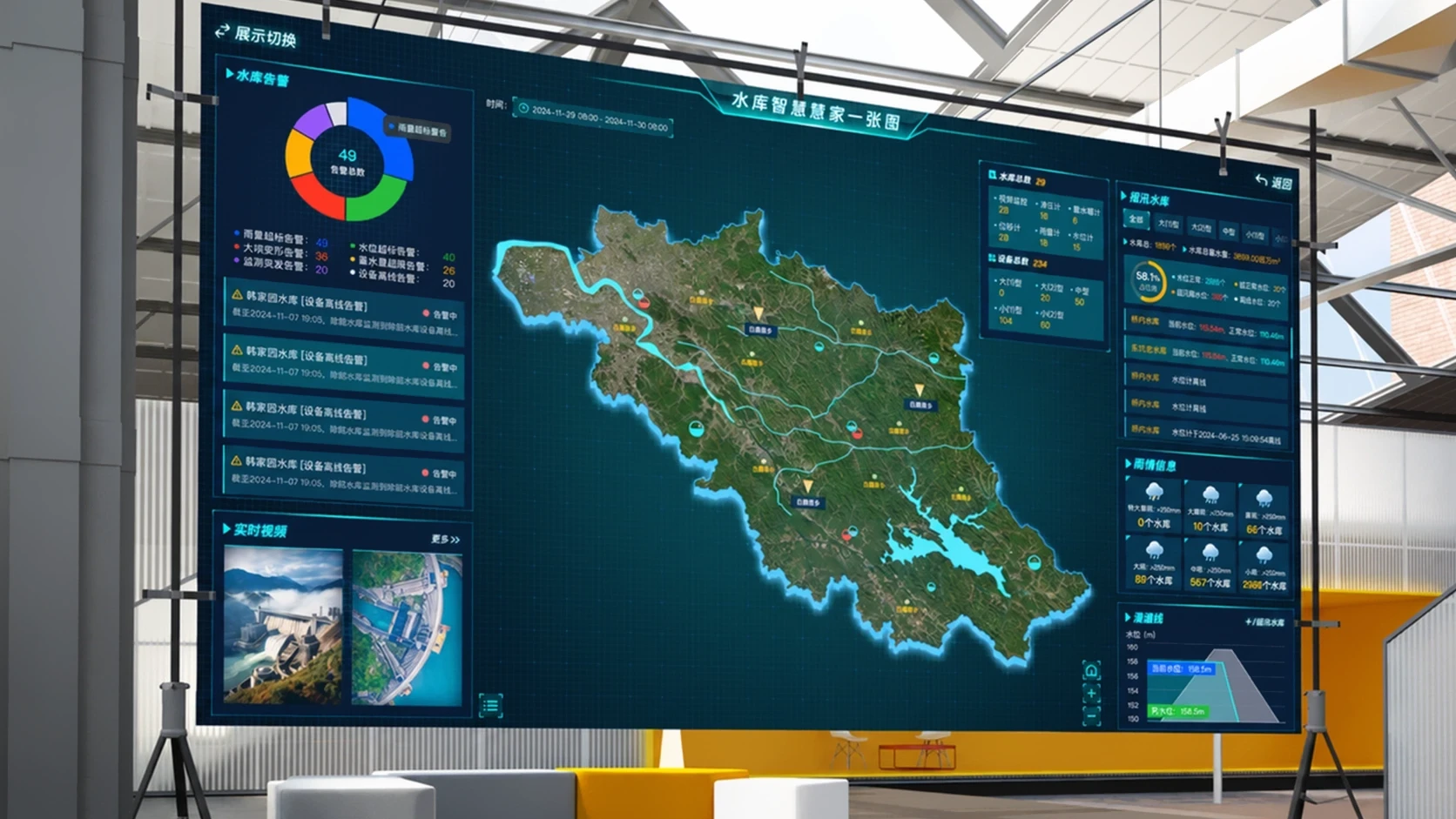
Some web agencies turn a “brand website” into a sleek but aloof digital brochure: huge images and four-character slogans fill the screen, yet after scrolling through five screens, you still have no idea which product models the company actually sells. Even a decent inquiry link is buried in a corner of a third-level menu. Meanwhile, other agencies specializing in “marketing websites” produce pages that look like TV shopping pitches for business opportunities from ten years ago: clashing reds and yellows, bold exclamation marks, “Three Core Advantages That Crush the Competition,” “Free Proposal for the First 10 Sign-ups Today Only,” and customer service pop-ups that keep shaking on both sides of the page.

Frankly, here in 2026, neither of these extremes works anymore. A pure brochure site with no path to conversion is an exercise in self-indulgence. A traditional “marketing site” with no sense of brand aesthetics, resembling a knockoff business opportunity page, may be packed with buttons, but as soon as a buyer from a reasonably established company sees its visual style and tone, they will put you on their “unreliable small-time operator” blacklist. How could they possibly trust you with an order worth hundreds of thousands of yuan?
A truly modern corporate website must combine “an outer layer of brand trust + an inner engine for marketing conversion”
In the projects handled by JVDS, we never treat brand presence and lead conversion as separate, opposing goals:

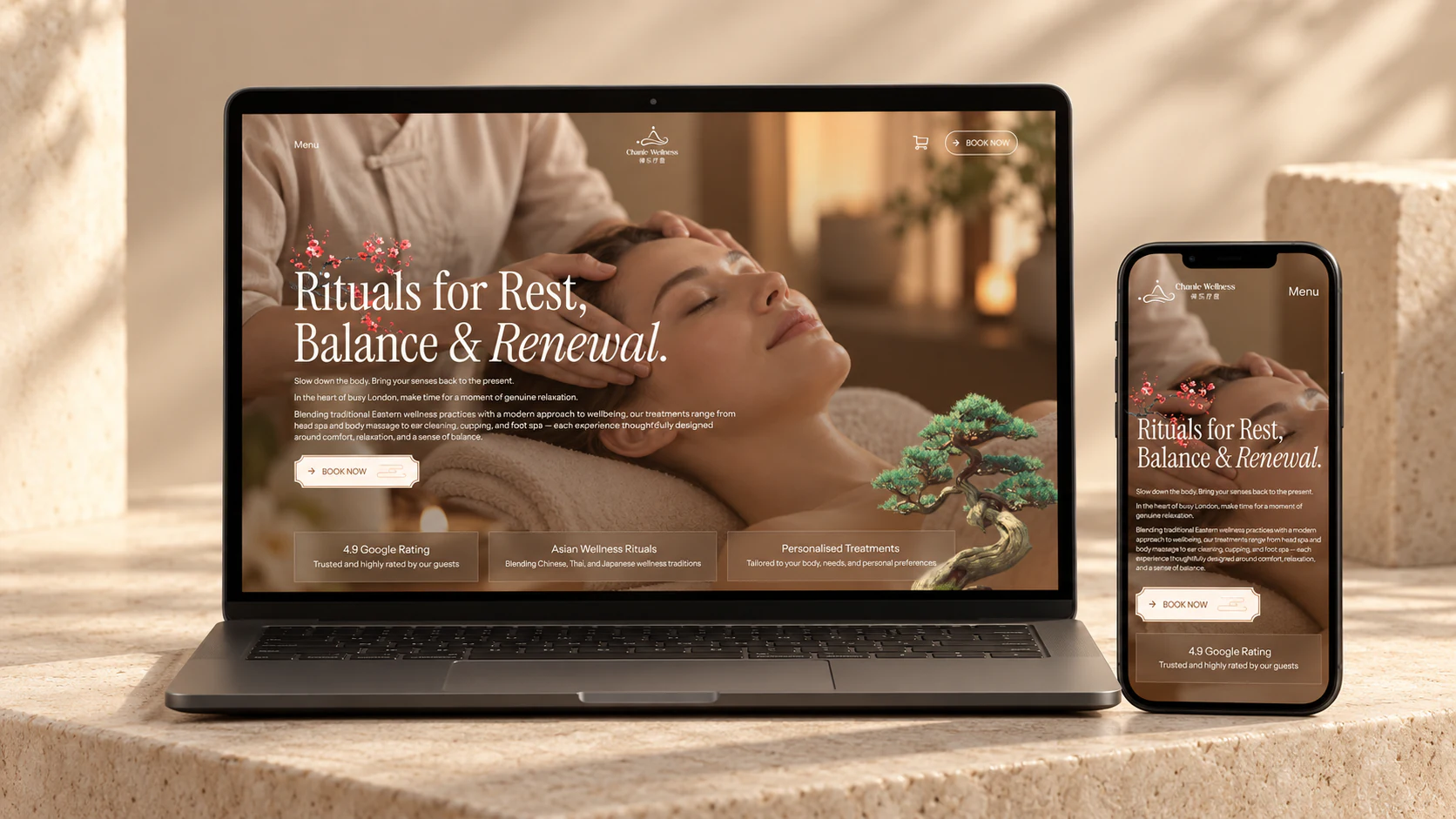
- Visuals and tone (building a premium perception and initial trust): Maintain a restrained, modern, clean brand aesthetic of international quality. Avoid tacky countdown pressure tactics and barrages of exclamation marks, so a procurement director or senior executive feels, in the very first second, “This is a professional company with solid technical expertise.”
- Information architecture and user journeys (turning visits into actual leads): Build a carefully structured marketing logic into an elegant layout. Explain the business pain point you solve in one sentence above the fold; provide ample filterable product specifications and evidence from real cases in the same industry further down; and place an appropriate next step where the eye lands on every screen, whether downloading a specification sheet, booking a demo, or submitting an inquiry with operating conditions.
How should a “complete brand website” and standalone marketing landing pages work together in different business scenarios?

Although the main corporate website should support both branding and conversion, companies can use two different page formats in their day-to-day operations, depending on where the traffic comes from:
| Page format | Where does the traffic come from? | The visitor's mindset at this point | Priorities for page structure |
|---|---|---|---|
| High-converting main brand website (Main Corporate Site) | Organic searches for brand or industry terms, QR codes scanned from business cards or at trade shows, peer referrals, and verification for internal reports | Wants a comprehensive assessment of the company's capabilities, to check multiple product lines, and to review credentials and background | A complete top navigation system, multidimensional product catalog, detailed case library, About Us section, and compliance credentials, serving as a long-term repository of digital assets |
| Dedicated paid advertising landing page (Campaign Landing Page) | Baidu paid search (SEM), Google Ads search campaigns, and precisely targeted keyword clicks from in-feed advertising | Arrives with one very specific, urgent question (for example, searching directly for “explosion-proof sensor sample request”) | Remove navigation (reduce distracting links leading elsewhere): Devote 100% of the page to the single product or campaign associated with the ad keyword, using Resonate with the pain point → Evidence from product testing → Customer testimonials → Complete the journey with forms at the top/bottom of the page |
Develop the main website into a dependable, trustworthy home base, while adding tightly focused landing page templates under the main site for paid advertising. This is the right approach for established companies seeking both a strong brand reputation and lead acquisition ROI.