B2B corporate website design

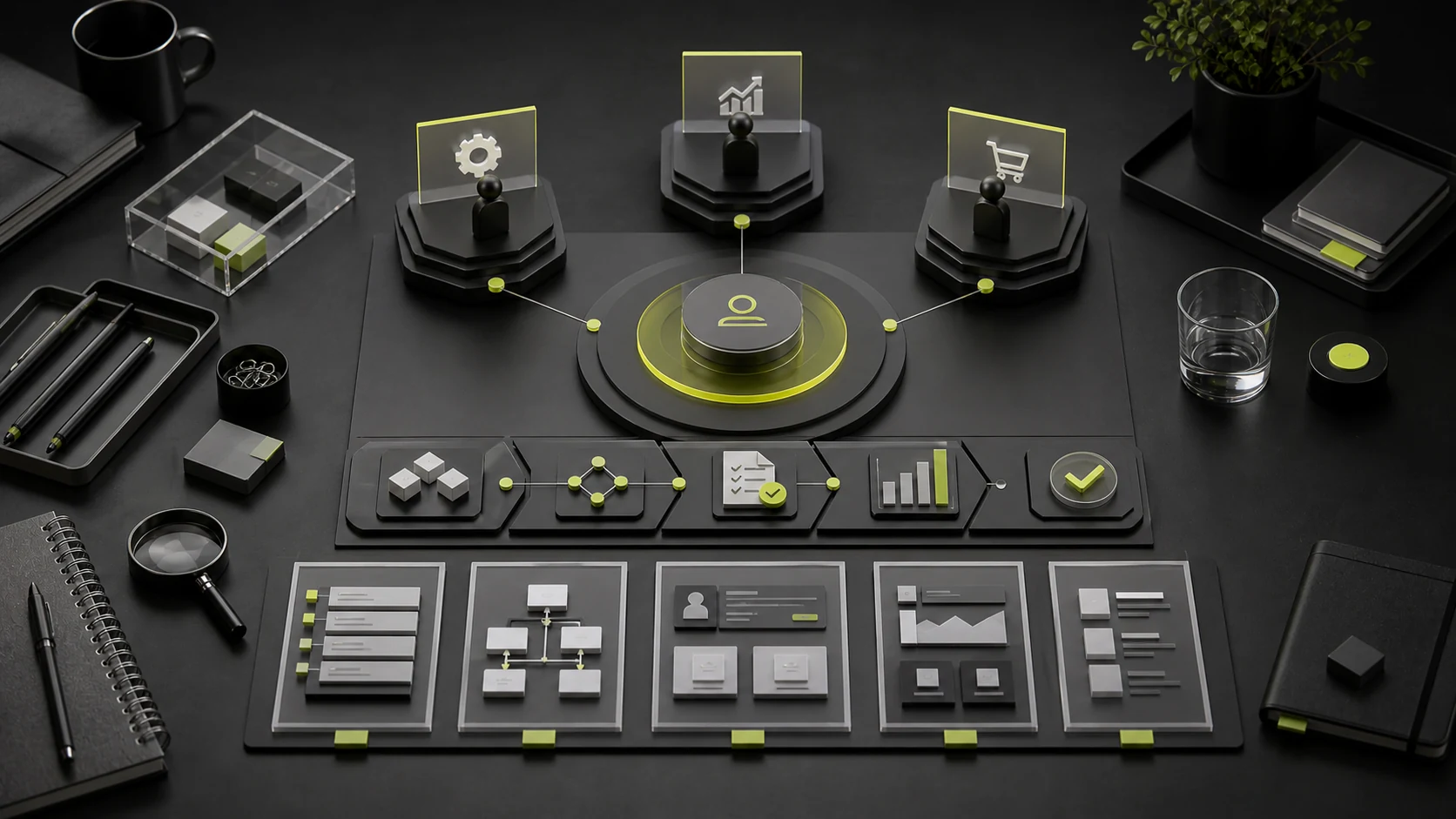
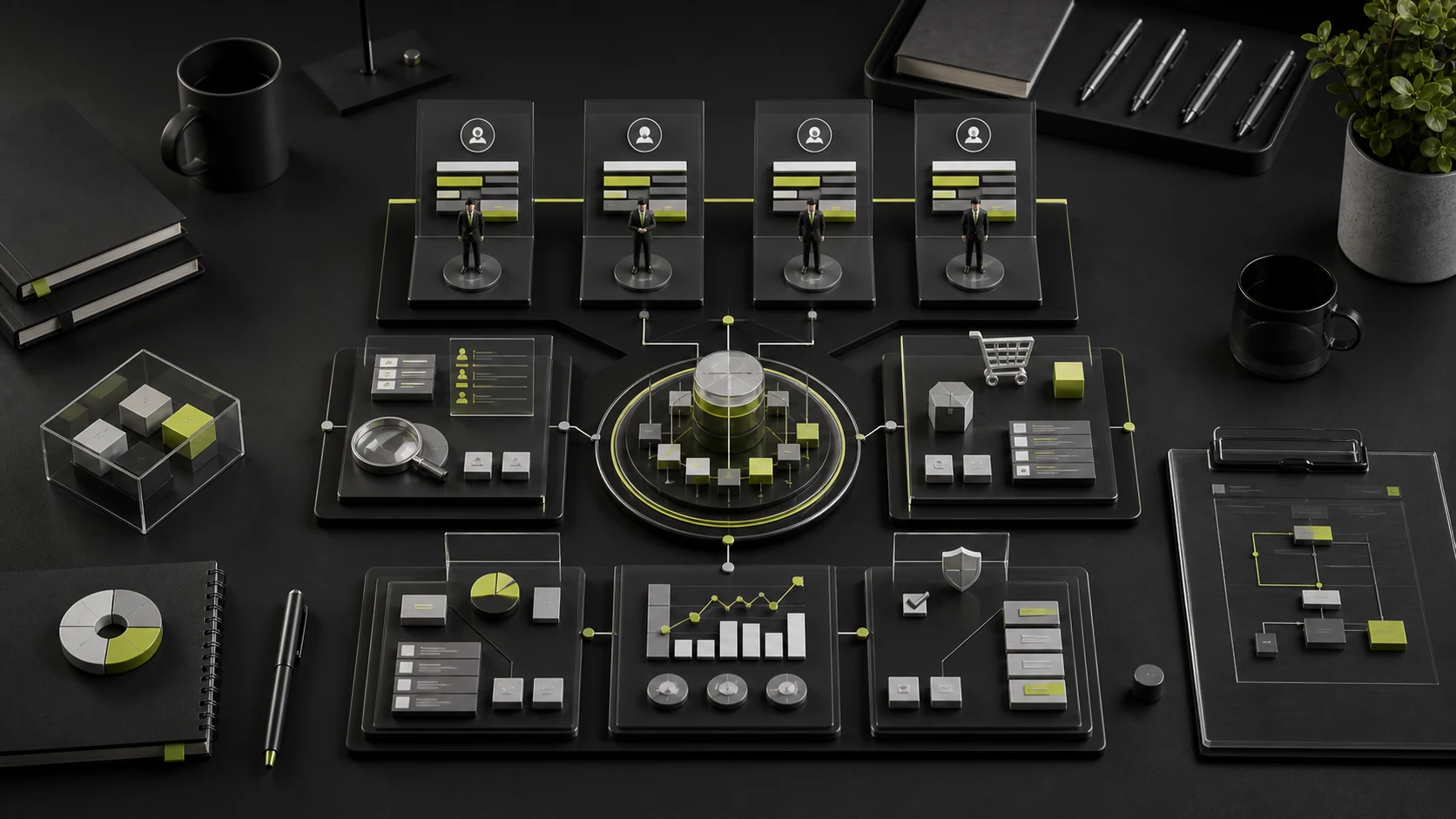
We build websites for B2B businesses that clearly present products, application solutions, technical resources and project examples. Organized around purchasing and product selection, the website helps customers find information, assess solutions and submit enquiries easily.

  1. Business goals
  2. Content & structure
  3. Design & development
  4. Validation & handover

Address technical, business and procurement needs

Plan product specifications, application solutions, technical resources and partnership information around different customer priorities. Clear sections and page structures help technical specialists, business decision-makers and procurement teams find what they need.

Make product categories and selection clearer

Organize content by product family, purpose or application, explaining suitability, key specifications and related resources. Add filtering, comparison or download functions according to the catalogue size and actual requirements to help customers find and select products.

Demonstrate expertise through projects and resources

Organize publicly shareable projects, deliverables and technical resources to show the problems the business has solved and the services it can provide. Help customers assess project experience and delivery capabilities alongside the products.

Make product enquiries more direct

Add relevant enquiry entry points to product and solution pages, linking product names or page information where needed. Simplify forms and check submission, notification and follow-up processes to make enquiries and sales conversations easier.

Support content updates and business expansion

Use the content management system to maintain product information, project examples and downloads, with clear update processes and responsibilities. As the business develops, gradually expand product families, language versions or integrations while keeping content clear and organized.


It needs to support several people through a longer purchasing evaluation. Product information, applications, resources and evidence should be easy to find as the evaluation progresses, and enquiry entry points should retain the business context.

The buying process still matters, but complex filtering may not. A small range may work best with clear product pages, applications and contact information.

Use approved anonymized information or verifiable product resources, test methods and deliverables. Clearly label illustrative examples instead of presenting them as client work.

These businesses usually need to organize product, technical and purchasing information. The structure depends on product complexity, target customers and existing materials, rather than simply applying an industry template.

Decide according to target markets and customer communication needs. Before adding languages, confirm that translation, resource updates and enquiry follow-up can be maintained over the long term.

Review relevant landing pages, resource use, contextual enquiries and sales feedback. Traffic alone does not establish business value.

From Idea to Launch, We Build It Together

Building useful, scalable digital products around user experience

Tell Us About Your Project