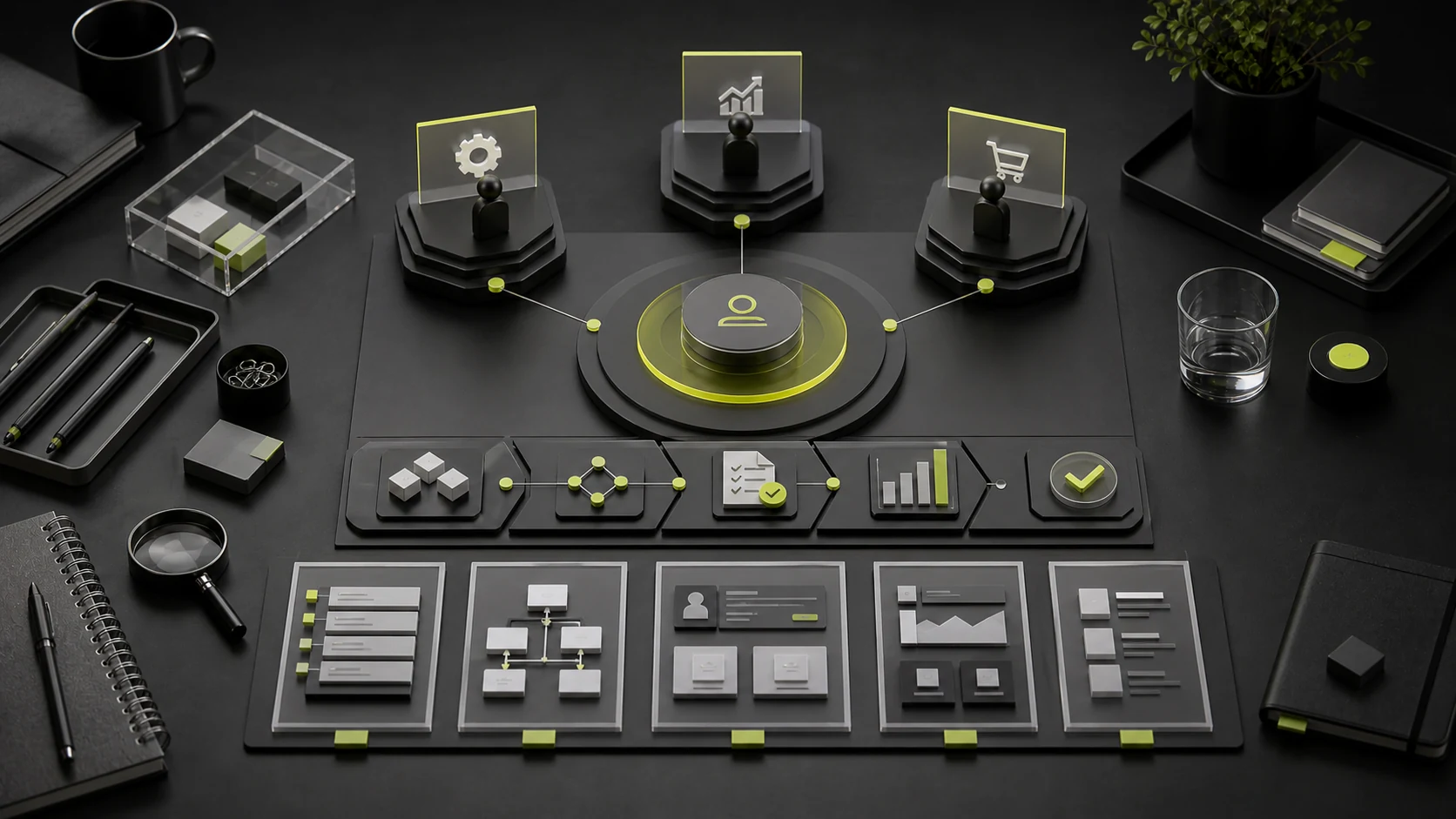
B2B transactions typically have long sales cycles, high order values, and decisions shared by multiple roles. From a potential customer's first search-engine visit to a signed procurement contract, the journey often passes through four stages: initial screening → technical feasibility checks → internal proposal presentation → commercial inquiries and supplier qualification reviews. Effective B2B corporate website design should work like an experienced presales consultant, giving visitors in different roles the right information at each stage.
1. Why do traditional “company profile plus image gallery” websites lose B2B customers?
Many traditional B2B websites devote extensive space to a chairman's message, group photographs at the factory gate, and corporate culture slogans. Yet the product page contains only a blurry image and two vague descriptions such as “outstanding performance” and “reliable quality.” When customers' engineers cannot find dimensions, interface protocols, and operating conditions, and buyers cannot see delivery times, certifications, or industry case studies, they close the page within 15 seconds and turn to a competitor with more transparent information.
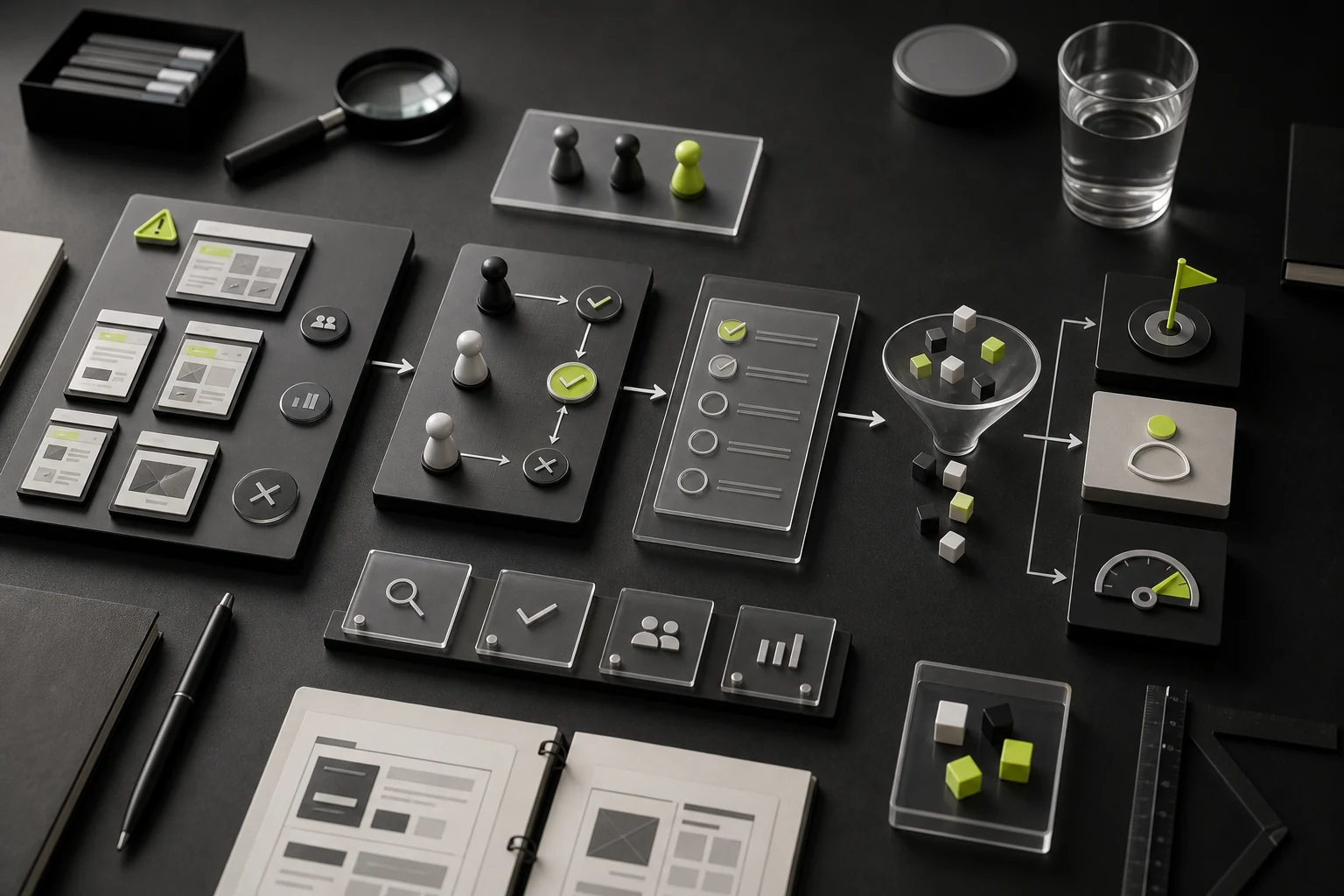
2. Design standards for four core modules of a high-conversion B2B website
- A structured product and solutions center Go beyond a simple product list by cross-linking browsing by product series and by industry application. Use a standardized product detail structure: key technical highlights in the first screen + a specification comparison table + illustrated operating conditions + related accessories + a downloadable PDF selection guide. This supports the detailed checks required by R&D and technical teams.
- Verifiable project case studies and supporting evidence Procurement teams and business managers care most about whether you have served peers of comparable scale. In the Website Case Studies section, explain the background challenges, implementation scope, core technical difficulties, and final deliverables wherever possible. If a nondisclosure agreement prevents naming a client, use an anonymized industry description such as “a listed new-energy vehicle manufacturer” or “a multinational medical device manufacturer,” accompanied by partial screenshots of real deliverables to establish trust.
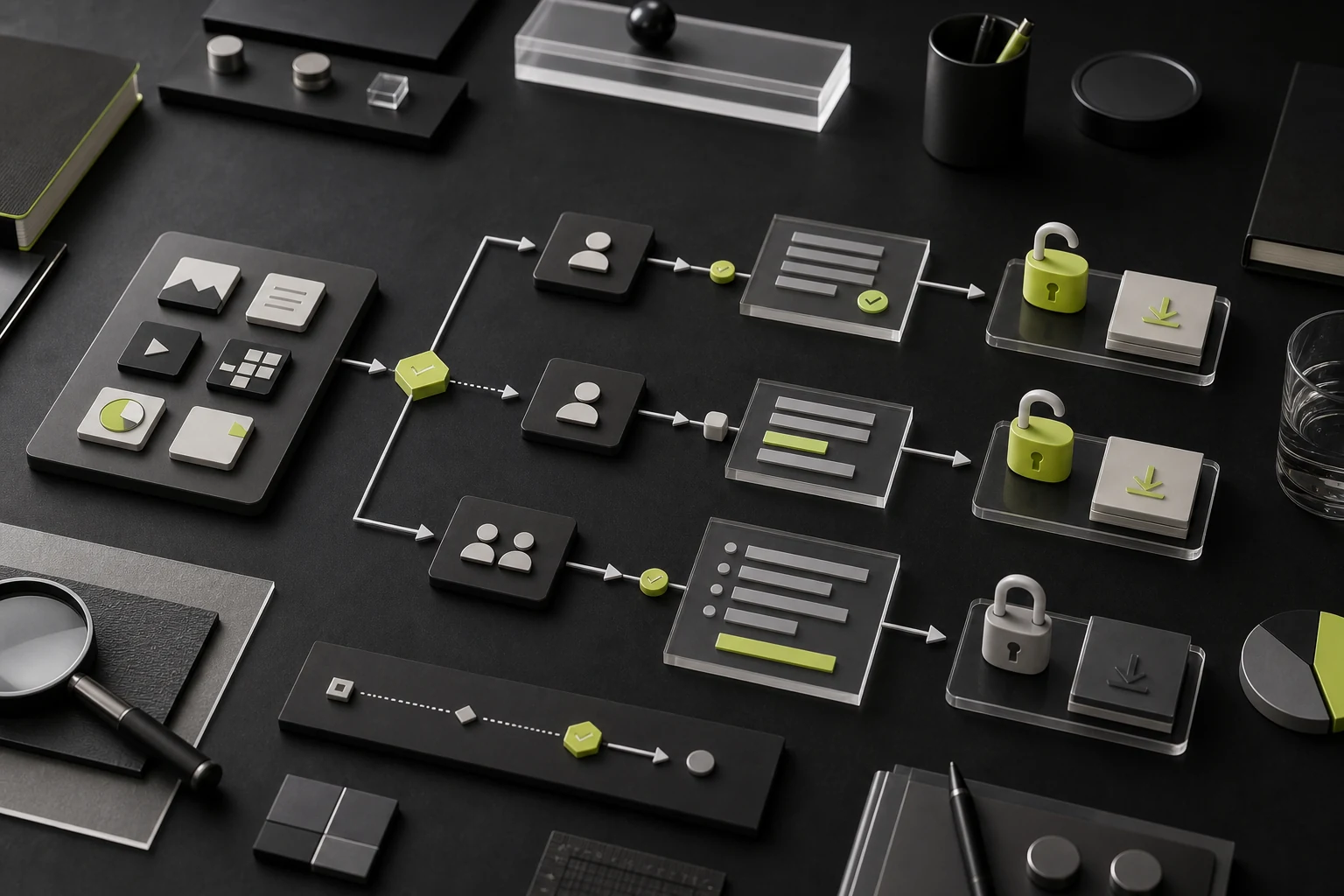
- A centralized resource and compliance hub (Resource Hub) Manage white papers, product catalogs, ISO/CE/UL certificates, and security and compliance information in one place instead of scattering them around the site. For valuable industry solution white papers, use a short form requiring only a business email and name to download. This brings prospective buyers still in the research stage into the lead-nurturing process.
- Contextual inquiry paths tailored to each situation Offer “Subscribe” or “Download the Guide” on general article pages, “Request a Quote” or “Apply for Sample Testing” on product details, and “Book a Discussion with a Presales Engineer” on solution pages. Differentiated calls to action (CTAs) can substantially improve the conversion of high-intent sales leads.