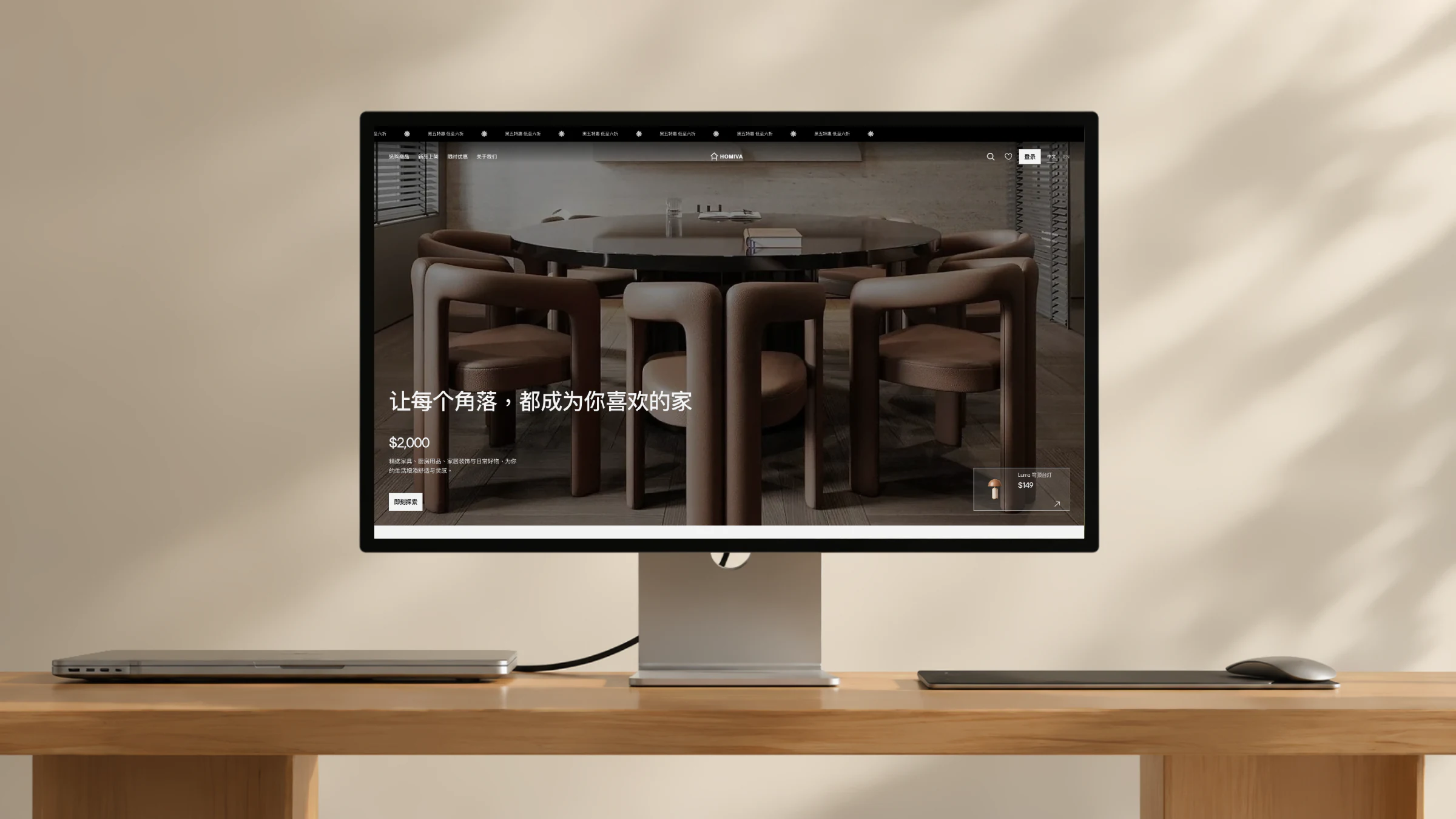

Multilingual websites for international business

We design and develop multilingual websites for businesses expanding internationally. We plan language versions, content structure and enquiry journeys around target markets, helping overseas customers understand your products and services while making website content easier for your team to manage and update.

  1. Business goals
  2. Content & structure
  3. Design & development
  4. Validation & handover

Define target markets and language versions

Choose the initial language versions and priority pages based on customer locations, languages and business requirements. Plan content for local customers around each market’s product information, contact details and enquiry preferences.
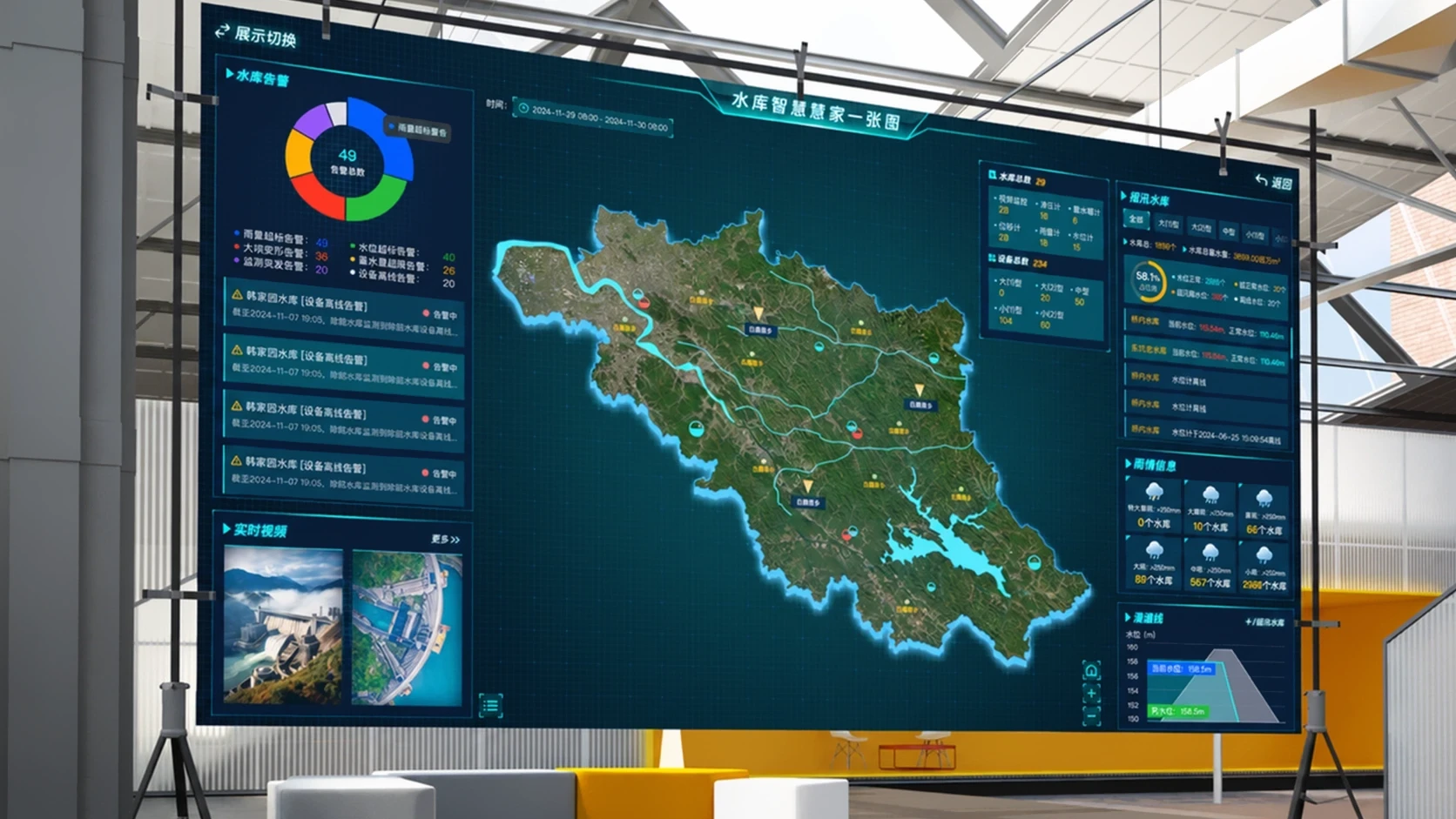
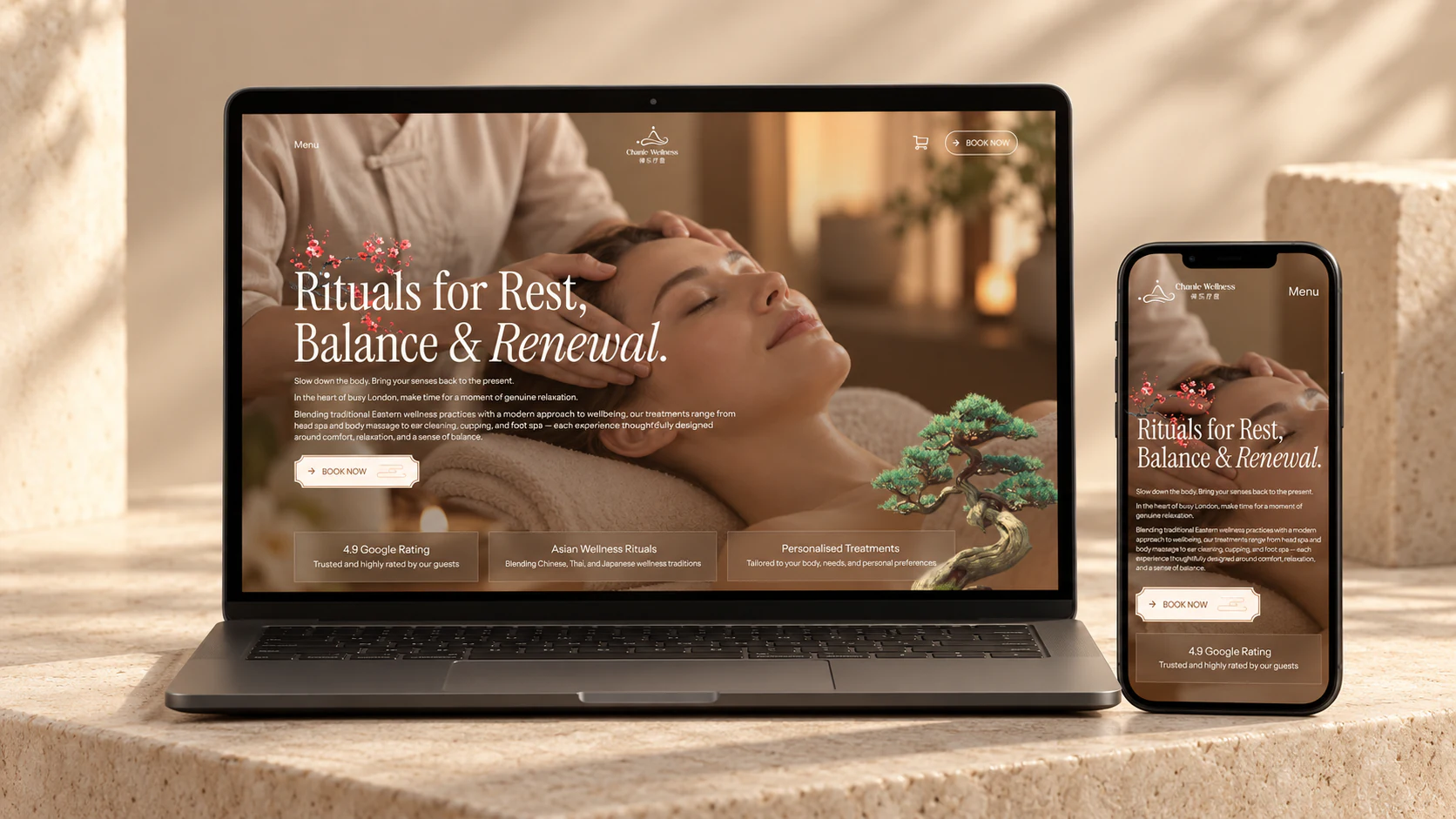
Plan website structure and language switching

Give each language version its own URLs so visitors can switch to the corresponding page. Choose the website structure according to content volume and maintenance needs, and configure language relationships and basic search settings.

Prepare localized content and a maintenance process

Review navigation, form messages, text in images and downloads alongside the main copy. Define responsibilities for translation, proofreading and future updates so every language version remains accurate and easy to maintain.

Test overseas access and enquiry journeys

Check loading, mobile display, language switching and form submissions for the target regions. Arrange deployment according to project conditions and confirm that overseas customers can browse the website and their enquiries reach the responsible person.

Keep improving based on market feedback

After launch, review search visibility, page visits and qualified enquiries by region and language. Use business feedback to improve content and enquiry journeys, then gradually add language versions and pages.

Not necessarily. A shared website can support language versions when the business and publishing process are shared. Separate sites require a clear operational or market reason.

Start with the English pages your audience needs and leave room for expansion. Publish further languages when content and enquiry support are ready.

Agree on content supply, translation and review responsibilities at the start. Someone who understands the business should approve technical terms, product information and commitments.

It depends on audiences, infrastructure, delivery and maintenance. Compare practical access from target regions rather than relying on server location alone.

Use independent URLs, accurate language relationships and canonical settings, with complete content in each version. Search engines decide crawling and indexing independently.

Page and language counts, translation review, CMS requirements, migration, regional testing and integrations affect scope. Define the initial markets and pages before estimating.

From Idea to Launch, We Build It Together

Building useful, scalable digital products around user experience

Tell Us About Your Project