When we take on a website project for overseas markets, there is one sentence we dread hearing: “Our Chinese site is already very complete. Just build an English version using the same layout. We'll have a translation agency translate the copy and send it over.”
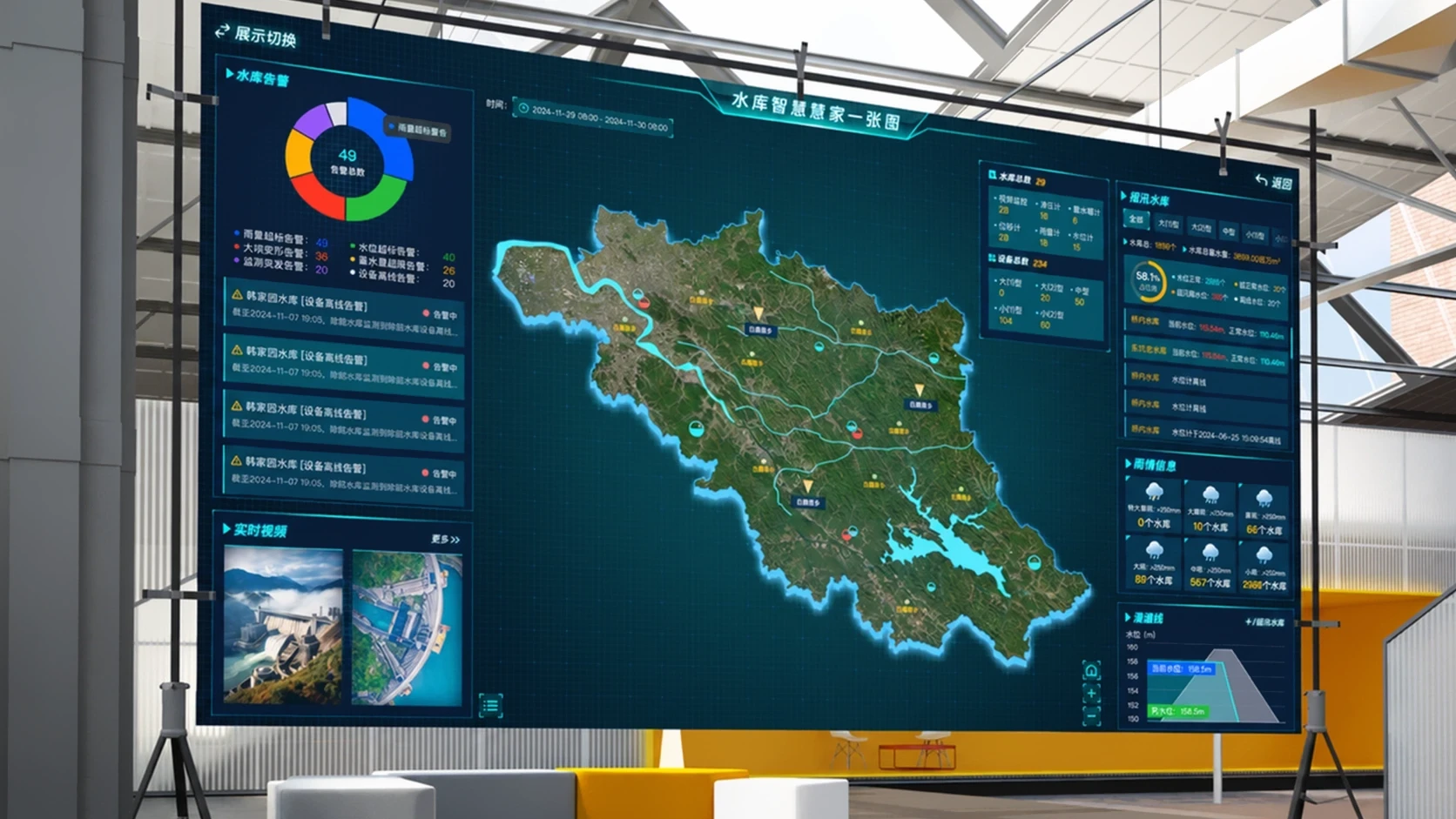
Whenever that happens, we ask the client to pause. It is not that the Chinese site is poorly built. Visitors in China and buyers in Europe, North America, Japan, and South Korea simply approach websites with very different expectations. Copy the familiar domestic formula—photos of official visits, sweeping aerial views of factories, walls of awards, and a flashing column of WeChat/QQ chat windows on the right—straight into an English site, and an overseas visitor's first reaction is usually not “What a capable company.” It is more likely “This feels unfamiliar, perhaps even unsafe.”
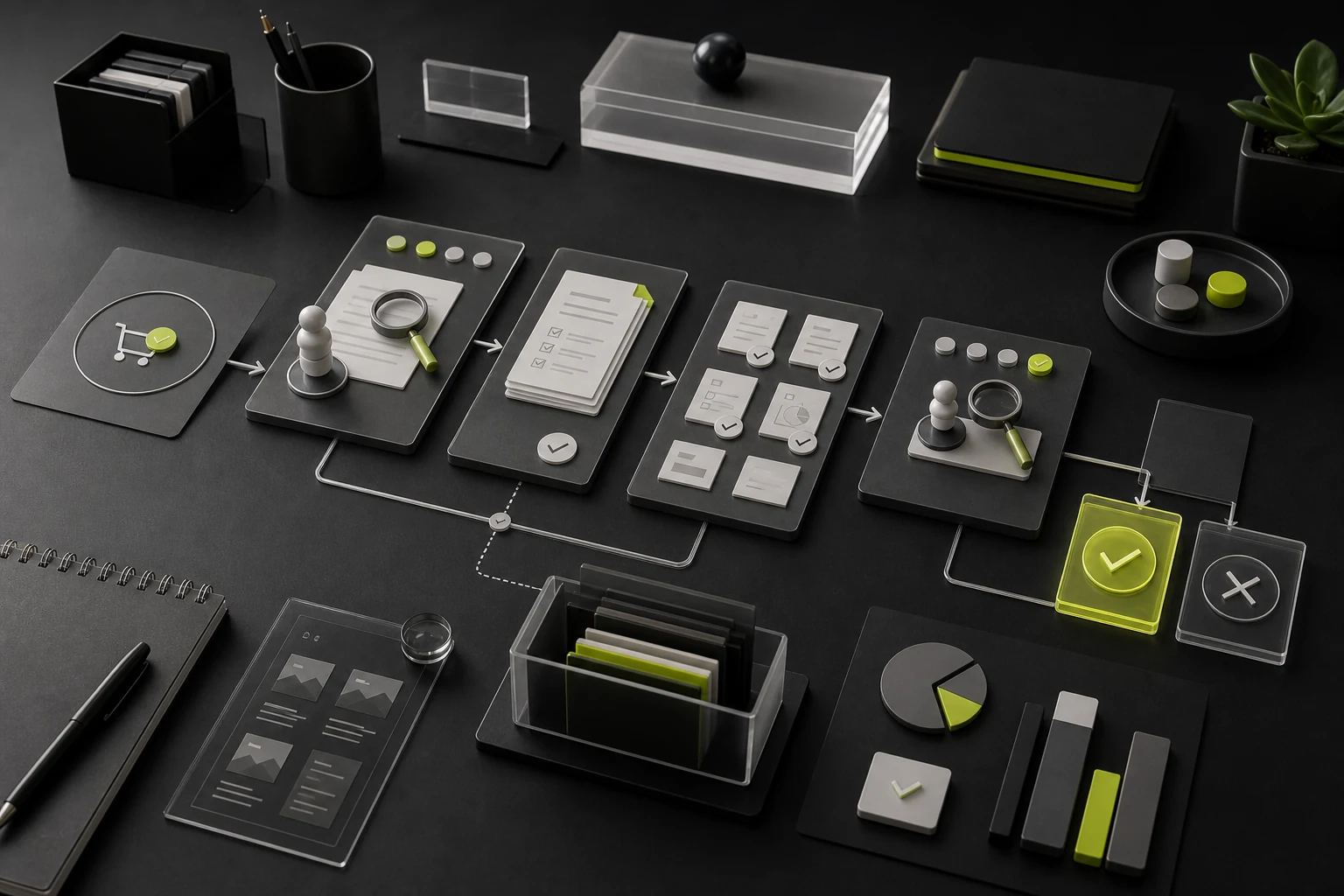
Chinese companies emphasize scale; overseas buyers first ask whether doing business with you is safe
Company profiles in China often open with the size of the premises, registered capital running into tens of millions of yuan, and employee headcount. But in the first ten seconds on an unfamiliar website, European and American buyers or direct-to-consumer shoppers are thinking about three different questions: What specific solution do you actually sell? Does it meet the regulations and standards where I live? If something goes wrong, can I reach a real person who will take responsibility?
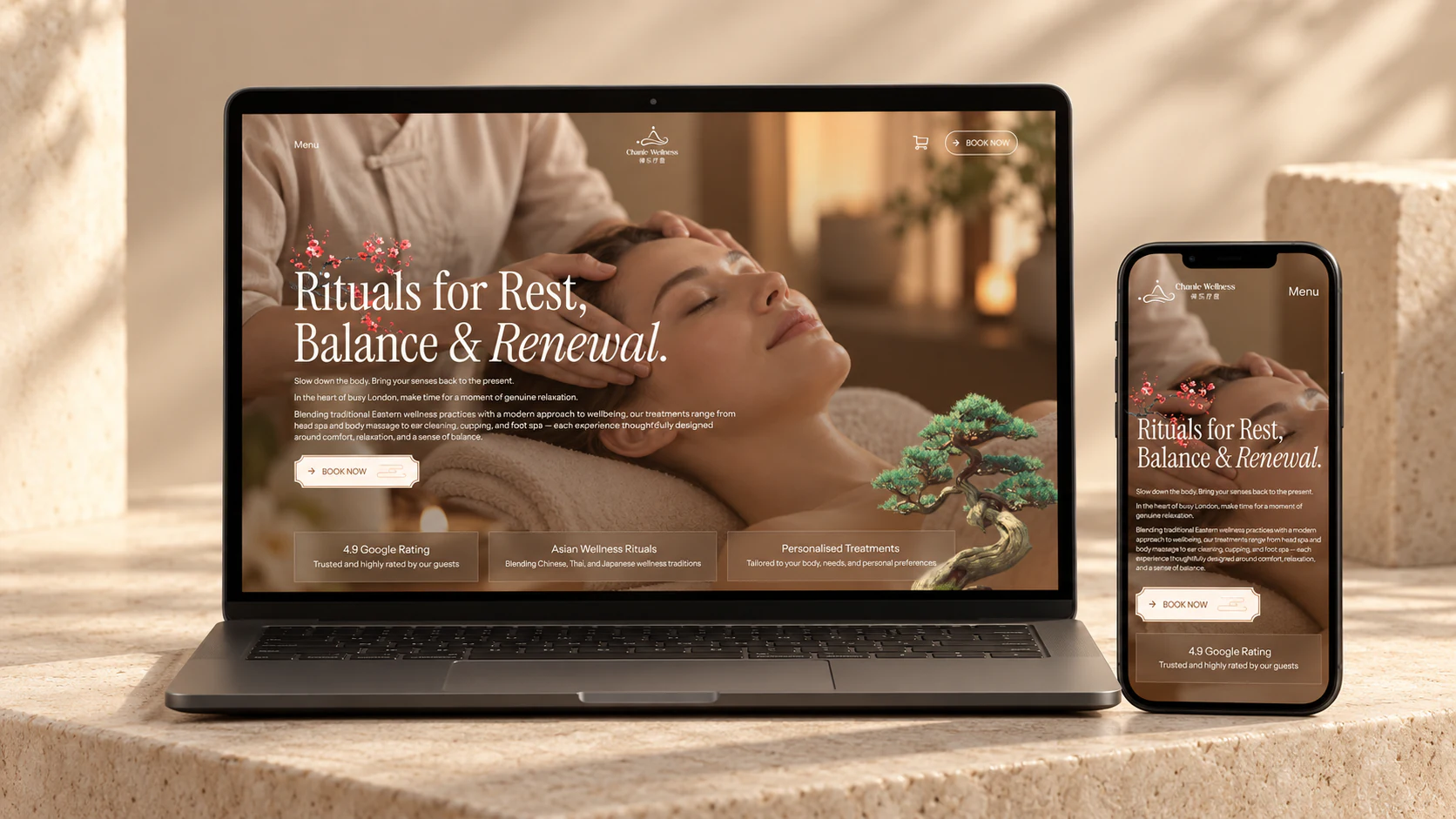
Consider our experience building the Chanle Wellness website for a British wellness brand. Before booking an in-person service or buying a product, local UK customers place particular importance on two things: whether the service process and pricing contain hidden terms, and whether the organization has a real local address, appropriate insurance and compliance credentials, and genuine customer reviews on platforms such as Google Reviews or Trustpilot.
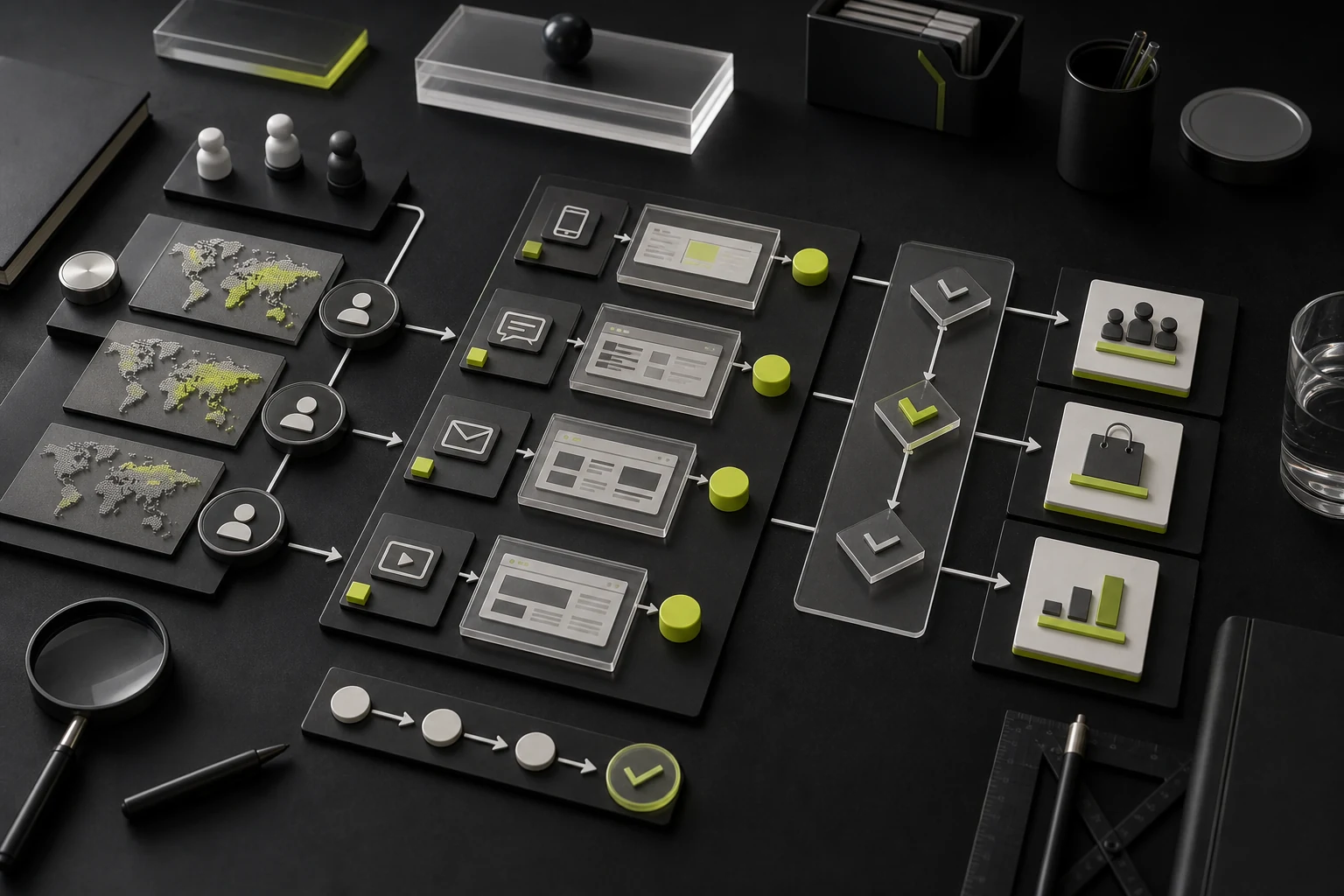
For an overseas website, the way you present evidence of trust needs a complete rethink:
- Replace a generic wall of honors with verifiable certifications and test numbers: If you sell industrial products or hardware overseas, an annual outstanding-company plaque from a Chinese association means little to buyers who have never heard of it. Show the specific standard numbers for CE, UL, FCC, RoHS, REACH, or ISO certifications instead. Ideally, visitors should be able to click through to a certificate PDF with sensitive information removed.
- Make the team and office address easy to understand and verify: International business culture places real weight on “People do business with people.” Add a few candid, authentic working photographs of your founding team, key R&D staff, or overseas account managers to the About page. Include their LinkedIn profile links and a real local office address, using an interactive Google Maps embed rather than a static screenshot. That can establish trust immediately.
A different conversion journey: fewer pushy popups, more material for independent evaluation
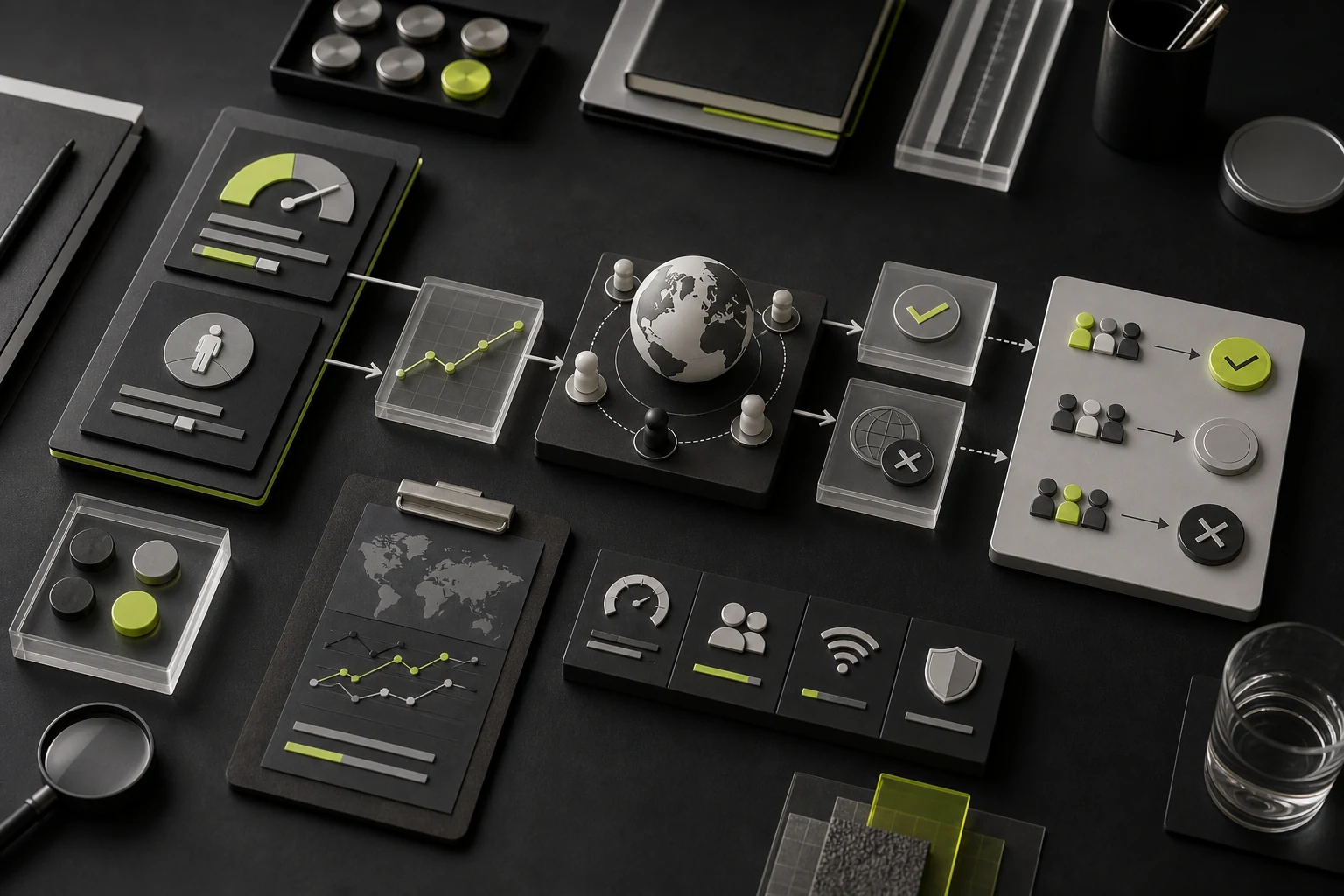
Many marketing websites in China open a “How can we help?” popup just 5 seconds after someone arrives, or demand a mobile number before showing product specifications. Overseas, this approach can make a very poor impression and may even breach privacy provisions under the EU's GDPR or California's CCPA.
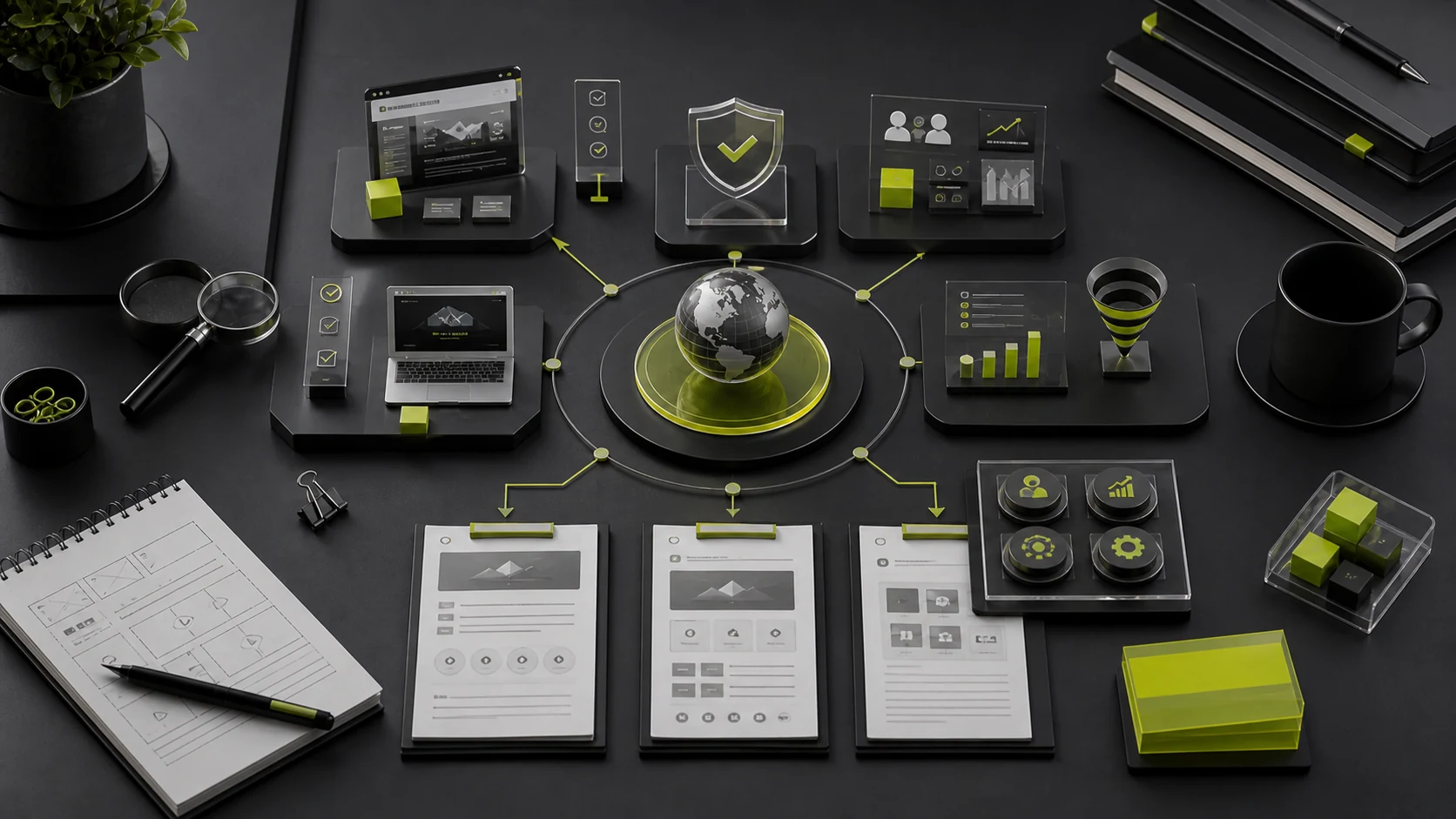
Overseas B2B buyers tend to research independently first and make contact once they consider a supplier credible. When designing multilingual corporate websites for international markets, we usually divide the conversion funnel into two steps:
- Make key selection parameters and basic datasheets public: Let the buyer's engineers check dimensions, operating conditions, and interfaces without filling in a form, so they can confirm that the product is a suitable fit.
- Offer valuable material in exchange for a work email, and use a clear form for formal requests for quotation (RFQs): Instead of floating, shaking chat windows, place clear
Request a QuoteorBook a 15-min Demoactions at important points on the page. State plainly beneath the form: “We will reply by email within 1 business day and will never share your information with third parties.” This restrained, respectful approach is often the best way to attract genuine inquiries from major overseas customers.