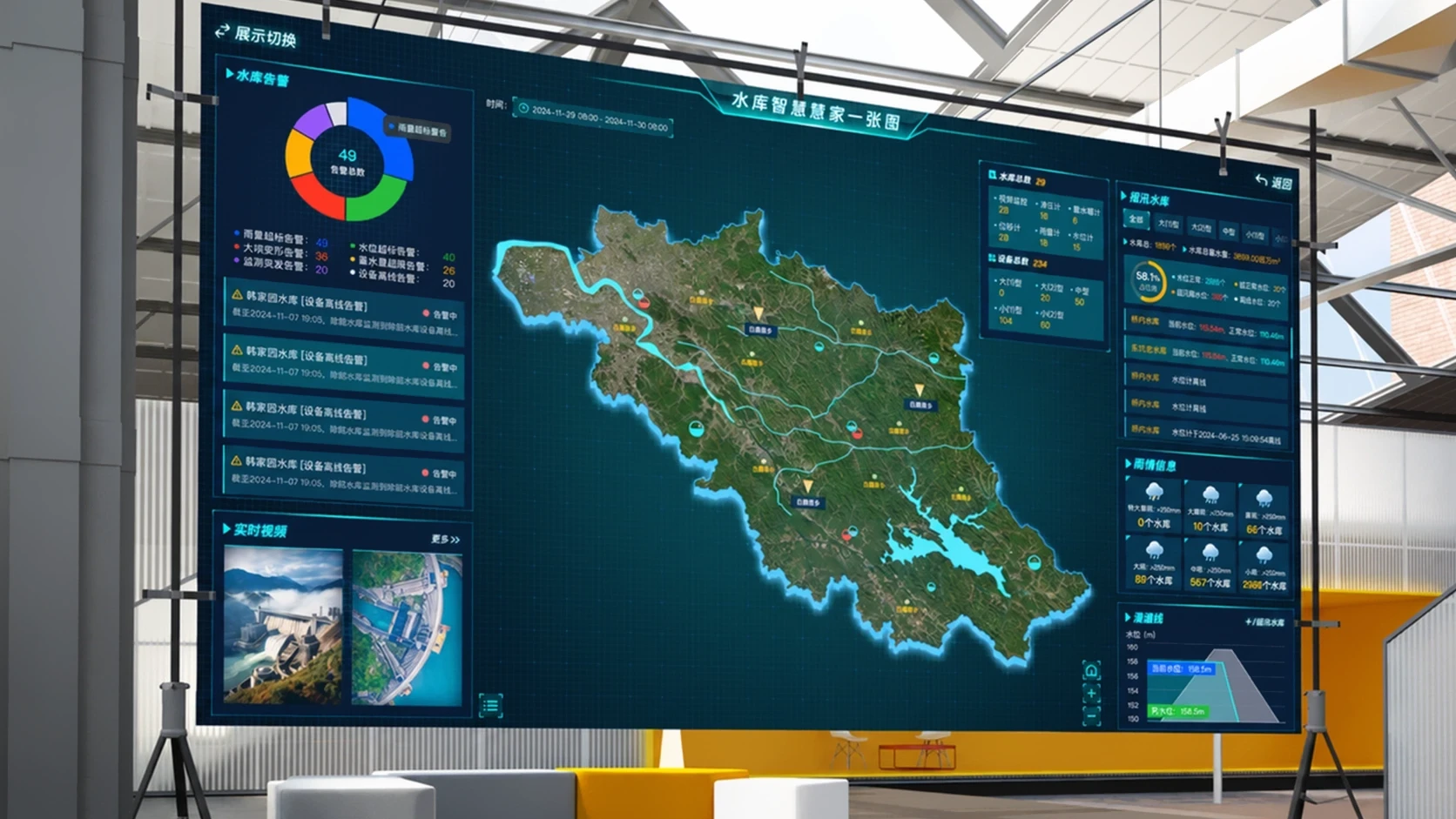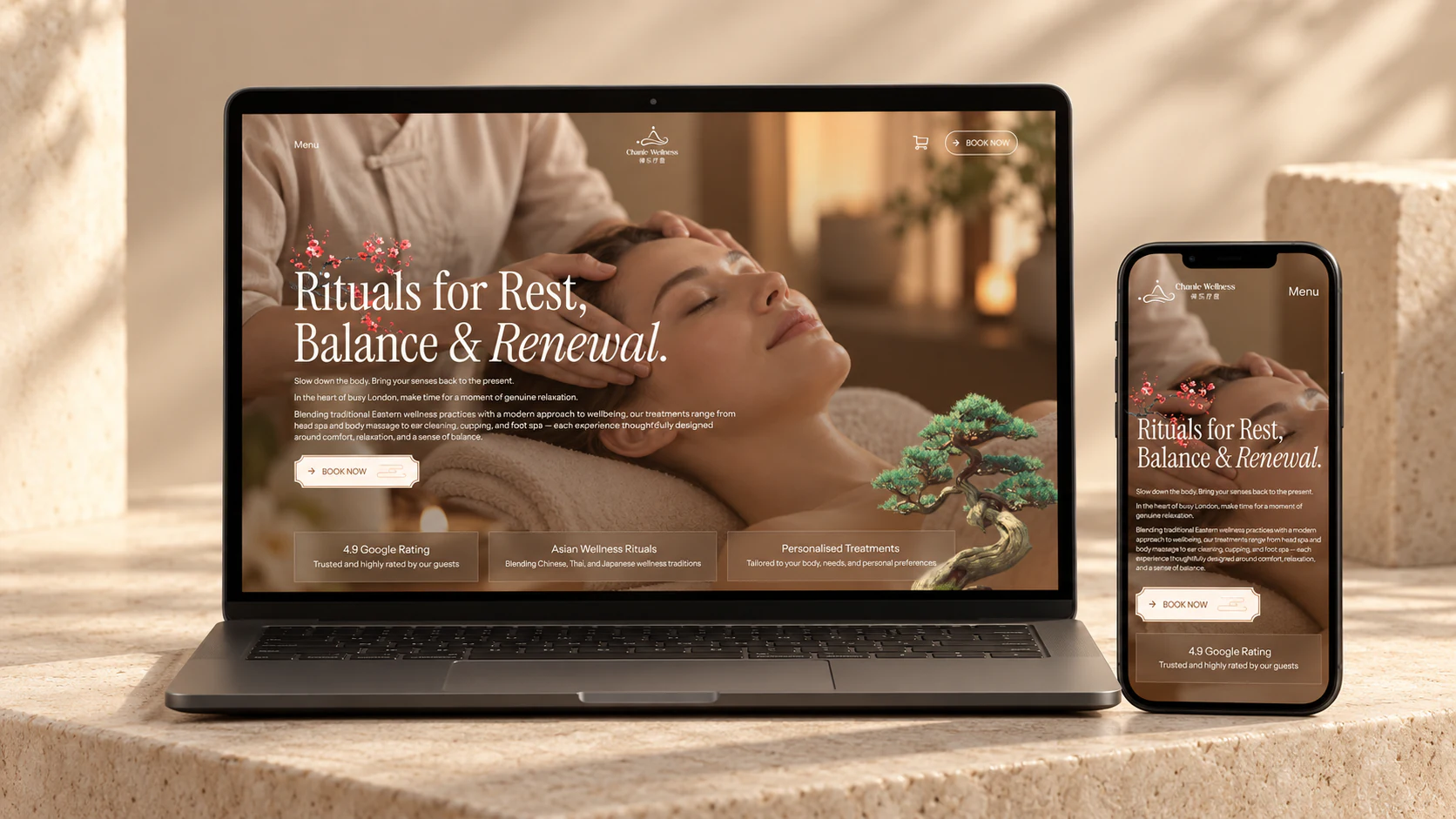
At the start of a website design project, clients often send two or three leading websites in their industry as visual references. Sometimes they even ask: “The hero background and industry images on their website look great. Can we just save them and use them on our new website?” Or a designer uses images from the web as temporary placeholders in an initial design, then forgets to replace them before pushing the website to production.
The answer is clear: images from a competitor's reference website or found casually through a search engine must never be copied directly onto a corporate website. On the one hand, Chinese and international stock image companies (such as Visual China Group, Getty Images, and Shutterstock) all deploy automated image-fingerprint crawlers across the web. Once an unlicensed image goes live, the business will soon receive an infringement demand ranging from several thousand to tens of thousands of yuan. On the other hand, Google Images and originality algorithms can easily identify old images taken from competitors, directly lowering the website's quality rating.
1. Four legitimate sources of corporate website visual assets and their licensing limits
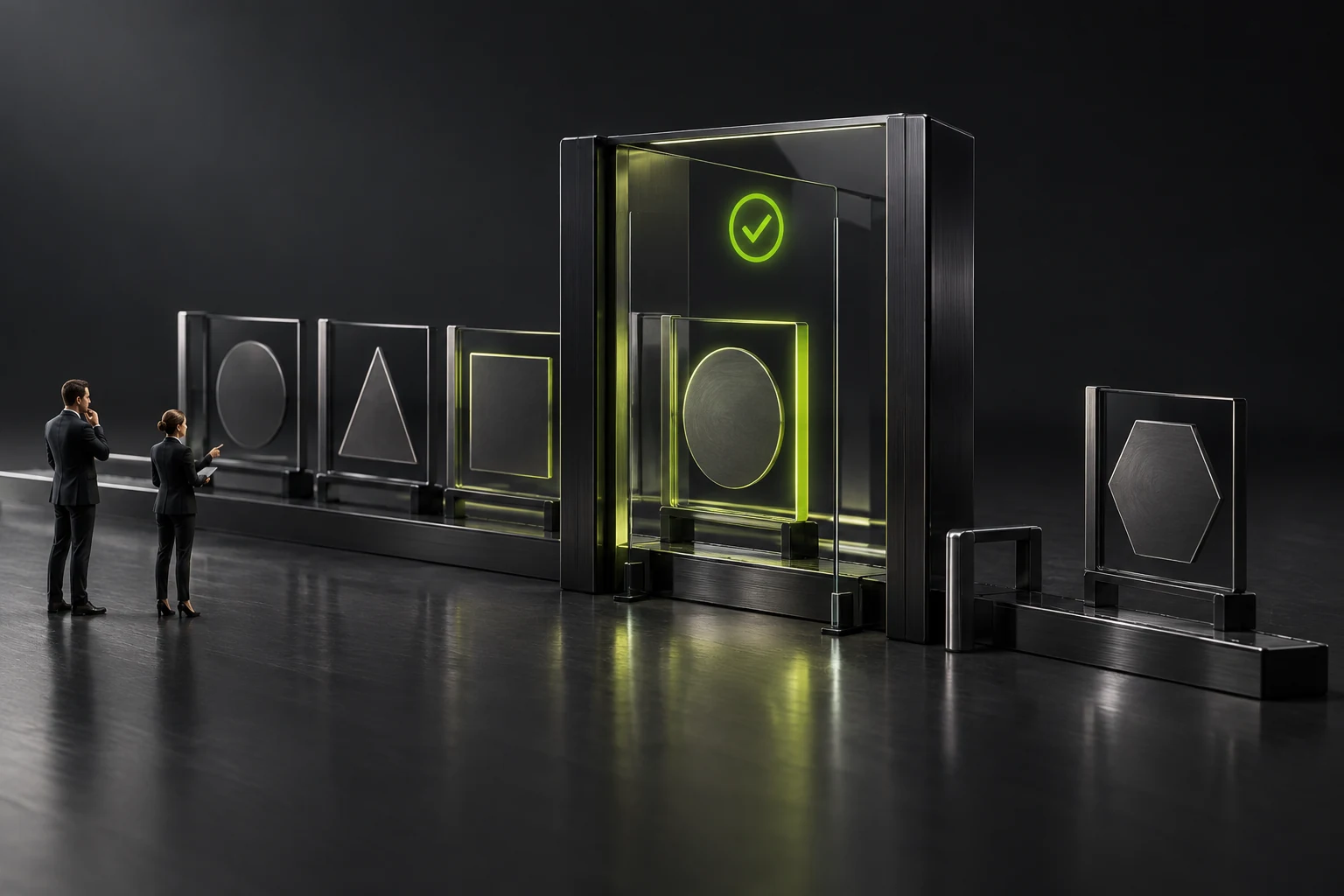
| Asset source category | Suitable page locations | Copyright compliance requirements and precautions |
|---|---|---|
| 1. Company-owned original photography and product renderings | Core products on the homepage, product detail pages, About Us, factory capabilities, and project case studies | Highest priority (best SEO and conversion results); if employees' likenesses or customer sites appear, confirm that internal consent to use the likenesses and customer permission for anonymized use have been obtained |
| 2. Paid commercial stock libraries (purchase a business license) | Background images for industry solutions and abstract imagery with a technological feel | A commercial digital media license (Standard/Enhanced License) must be purchased in the name of the client company that will ultimately use the image, and the license certificate number must be retained on file |
| 3. Open image libraries with CC0 / free commercial-use licenses | Article illustrations and general supporting scene images | For example, Unsplash and Pexels allow free commercial use, but identifiable trademarks (such as Apple computer logos or famous buildings) or people's likenesses appearing in images must never be used to imply brand endorsement |
| 4. Original custom UI wireframes and data infographics | Feature explanations, service processes, and technical architecture diagrams | Created originally by a design team (such as JVDS) using vector tools or 3D software, matching the company's own business 100% and presenting no copyright concerns |
2. What should a company do if it currently has no high-quality original photos?
For startups or purely software service providers that currently lack attractive original photos of their office and products, avoid filling the gaps with cheap handshake photos featuring foreign models that look artificially staged. Best practice is a design approach combining “typography-led layouts + reconstructed actual software interfaces with sensitive information removed + custom vector infographics,” winning customer trust through clear, professional graphics and substantive content.