
Design Insights
Explore case studies, design methods and practical insights across UI design, user experience, brand identity and website development.
All Insights
 Web Insights
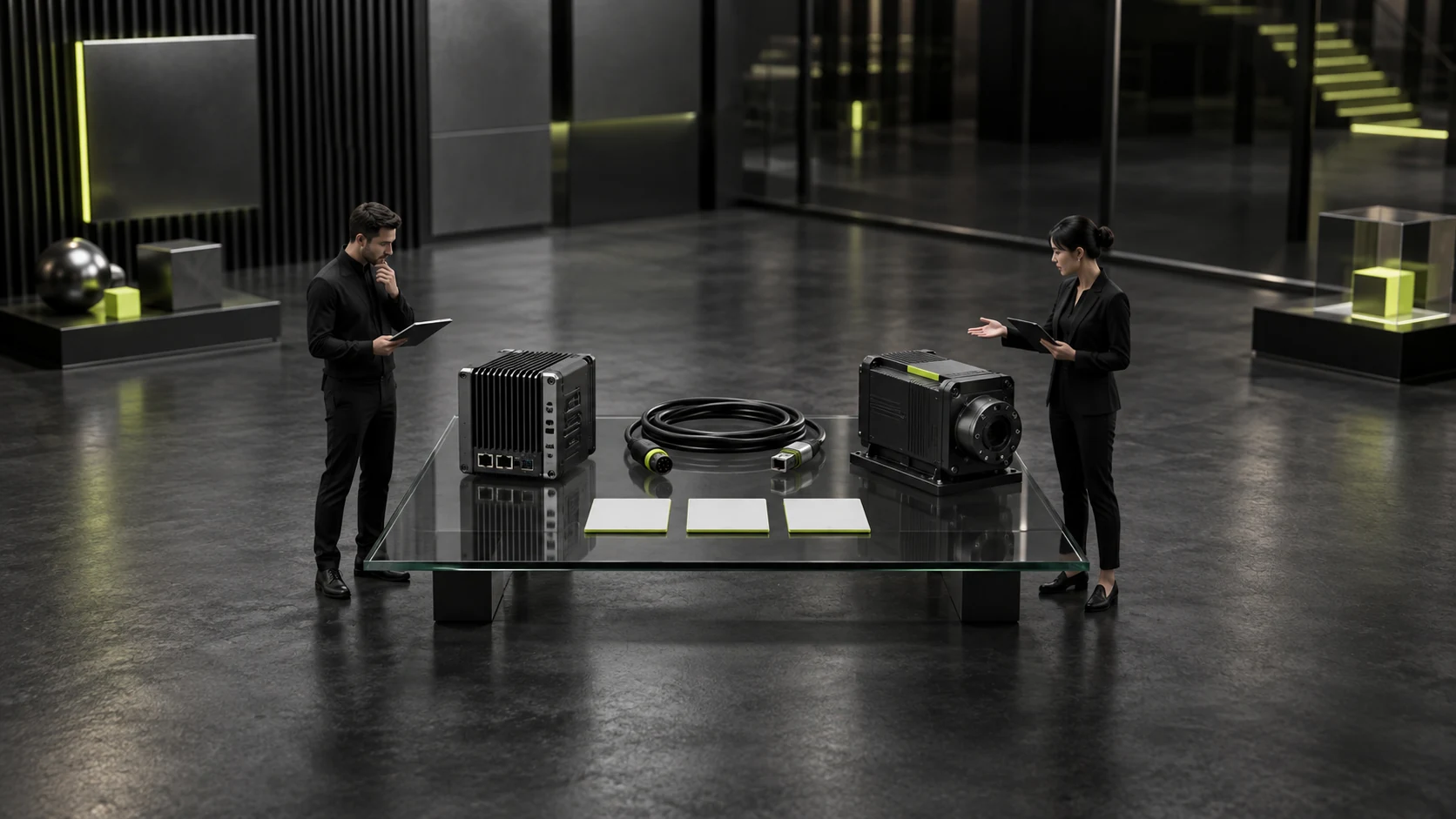
Matching Interface Names Do Not Guarantee Connection: How Can a Website Help Customers Check Integration Conditions?
Product interface integration conditions cannot be judged directly from names or photos. This article organizes the product, external equipment, connection components and software around the customer’s integration task. It separates known facts from missing information and has technical owners check whether pages expan…
 Web Insights
Custom Products Await Drawing Confirmation: How Should a Website Explain Confirmation Milestones and Subsequent Actions?
Custom drawing confirmation should be more than a signature step. This article explains objects to check, evidence customers should supply, participating roles and the difference between design and delivery. It covers rechecking after conditions change and tests process clarity with a hypothetical requirement. Custom p…
 Web Insights
Options Work Individually but Not Together: How Should Product Pages Explain Configuration Dependencies?
How can product configuration dependencies help customers understand that options cannot be combined arbitrarily? This article covers base products, prerequisites, mutual exclusions and pending status. It turns rules into checkable statements, retains layered conditions and supply responsibilities, and validates pages…
 Web Insights
Are All Consumables Included When Equipment Is Purchased? How to Explain Initial Use and Replenishment
How can equipment consumables supply explanations distinguish initial requirements, actual included supply and later replenishment? This article identifies material purposes, confirms items and measurement scope, describes separate preparation and retains identities and acquisition routes existing customers can use. Ac…
 Web Insights
Which Materials Can Processing Equipment Handle? How Can a Website Go Beyond a List of Material Names?
How can accurate material processing suitability explanations prevent customers from assuming selection is complete after seeing a material list? This article covers actual objects, material states, processing tasks and verification scope. It distinguishes confirmed and pending situations, links sample and information…
 Web Insights
A Product Demonstration Runs Smoothly: Can Customers Reproduce It on Site, and What Assumptions Must the Website Explain?
How should product demonstration video conditions be explained so smooth footage is not mistaken for a universal performance guarantee? This article covers demonstration tasks, inputs, configurations, editing omissions and playback presentation. It explains information that should accompany videos, turns site differenc…
 Web Insights
A Product Claims to Suit “Harsh Environments”: What Verifiable Information Should Its Website Add?
How can product environmental suitability conditions turn “suitable for harsh environments” into information buyers can check? This article identifies tasks and products, matches existing technical documents, distinguishes test conditions from site requirements and revises unsupported comprehensive promises. Acceptance…
 Web Insights
Custom Products Have No Fixed Specifications: What Selection Information Should Customers Prepare First?
How should custom product selection information be prepared to begin an evidence-based discussion without fixed specifications? This article covers customization scope, task descriptions, input objects, existing conditions and goal priorities. It explains how to retain unknowns, describe each item’s purpose and turn in…
 Web Insights
A Website Promises “Fast Delivery”: How Should Stock, Production and Confirmation Conditions Be Explained?
How can product delivery conditions prevent “fast delivery” from becoming a fixed promise for every order? This article distinguishes in-stock, production-required and pending states; explains how product identity, configuration, requirements and target milestones affect confirmation; and separates historical examples…
 Web Insights
The Website Shows a Complete System but the Quotation Covers One Machine: How Can Supply Scope Be Clear?
How can equipment system supply scope be stated so a complete application scene is not mistaken for full delivery? This article separates equipment and services, identifies the company’s, customer’s and external parties’ portions, and explains system diagrams and interface confirmation. It checks the website, standalon…
 Web Insights
Existing Customers Know Only the Machine Nameplate: How Can a Website Help Them Find the Correct Spare Part?
How can equipment spare part identification start with a machine nameplate and help existing customers who do not know part names express accurate requirements? This article separates equipment and spare part identities, explains how location diagrams, existing photos and historical names aid identification, and reques…
 Web Insights
Should Product Pages Explain Unsuitable Scenarios? How to Describe Limits Without Discouraging Every Customer
How can product applicability limitations state accurate boundaries while helping suitable customers continue assessing? This article distinguishes confirmed unsuitability from insufficient information, links limits to specific tasks, publishable evidence and affected capabilities, and prepares appropriate next steps f…
 Web Insights
When a Product Website Claims “Maximum Speed,” What Test Conditions Do Buyers Still Need to See?
How should product performance test conditions be written so buyers do not mistake “maximum speed” for an on-site guarantee? This article examines the nature of the value, test object, input conditions, operating configuration and supporting evidence. It explains how to address untested uses, trace website figures to t…
 Web Insights
Customers Download CAD Files but Still Cannot Judge Installation Suitability: What Is Missing from the Website’s Drawing Explanation?
What should website CAD drawing explanations include so customers can continue assessing installation after downloading? This article covers drawing purpose, product identity, reference directions, included scope and actual space-related tasks. It distinguishes equipment outlines from operating and maintenance conditio…
 Web Insights
How Should Standard Equipment and Options Be Described So Customers Do Not Assume Every Displayed Feature Is Included?
How can standard equipment and options be explained clearly so customers do not assume every feature in a product image comes with their order? This article explains how to confirm the product covered by basic supply, describe optional functions and prerequisites, identify the supply status of items in images and conne…
 Web Insights
With Many Accessories but No Clear Equipment Match, How Should a Website Explain Compatibility?
How should product accessory compatibility be presented so buyers do not choose by similar images? This article explains how to confirm equipment and accessory identities, supporting evidence and conditions; distinguish confirmed, unsuitable and unknown combinations; and provide two-way routes from equipment to accesso…
 Web Insights
A Product Looks Small in Photos but Will Not Fit: How Can a Website Provide Reliable Size References?
How can product photo size references prevent customers from guessing actual size from an image? This article examines scale misunderstandings in isolated images, catalog crops and composite scenes. It explains how to match confirmed dimensions, overall boundaries and directions, choose reliable references and distingu…
 Branding
Before Publishing Client Logos in Brand Materials, What Should Be Confirmed?
Client logos first need real relationships and purposes explained: publicly available images do not automatically prove our cooperation. This article distinguishes clients, partners, suppliers, and references, checks versions, channels, nearby headings, evaluations and data, examines proportions, alt text, languages, a…
 Branding
Does Receiving AI or PSD Files Mean You Have Brand Source Files? Checking Editable Deliverables
How can received AI or PSD brand files support later maintenance? Starting with actual future edits, this article checks opening, final-version correspondence, layers, graphics, linked assets, and fonts, then verifies the work chain through editing and output. Separate editability from asset-use scope and record agreed…
 Branding
A Brochure Looks Right on Screen but Different in Print: How Should Brand Colors Be Checked Before Handover?
Correct previews do not establish matching finished brochures. Brand print colors need paper, processes, and proofs checked together. This article records production targets, references, specialist file conditions, key proof comments, and formal production changes, distinguishes design previews from physical confirmati…
 Branding
What Happens When Brand Rules Meet Special Scenarios? Keep Exceptions From Becoming Independent Standards
Small sizes, complex backgrounds, and partner materials need more than vague exception approval. This article checks current versions, documents real restrictions, compares minimal changes and recognition risks, defines files and scope, and verifies outputs. Records of recurring limitations guide supplementary explanat…
 Branding
After a Brand Rename, Old Websites and Materials Still Circulate: How Should Replacement Be Phased?
Changing a homepage name does not update attachments, sales materials, and public entries. Starting with formal names and scope, this article inventories touchpoints, confirms old-to-new transitions, prioritizes main entries and template sources, and checks retirement from common workflows and remaining external matter…
 Branding
Chinese and English Brand Names Have Different Lengths: How Can Bilingual Logo Lockups Stay Clear?
Chinese and English names need not be forced to equal logo widths. This article confirms names, abbreviations, and slogans, chooses lockups by language purpose, checks graphic-text ratios, whitespace, and monochrome relationships, provides accurate choices for long names and narrow spaces, and hands over directories, m…
 Branding
Brand PPT Fonts Break on Employees' Computers: Should Acceptance Cover the Template or Its Usage Conditions?
A brand PPT working on the designer's computer does not prove employees can edit and present it. This article inventories software, devices, and file purposes, checks font identity, access, and licensing, arranges alternatives and long-content wrapping, and tests saving and presentation with titles, charts, and actual…
 Interface Design
Why Can a Task Still Be Unfinished at 100%? Defining Completion Conditions for Long Tasks
A 100% progress bar may mean only that every object was attempted while saving, summaries, and final checks remain. This article explains denominators and stages, separates processing end, result readiness, and verification failure, defines success, skipping, partial completion, and cancellation, and derives acceptance…
 Branding
A Website Favicon Is Too Small to Recognize: Can the Complete Logo Simply Be Shrunk?
A website favicon must remain recognizable in tiny spaces. Shrinking a complete logo may merge text, thin lines, and gaps. This article identifies the recognition core, tests contours and spacing, considers dedicated simplified versions with limited uses, checks light and dark backgrounds and display conditions, and re…
 Branding
Do Business Email Signatures Need Brand Rules? First Check Whether Employees Can Maintain Them
Email signatures need not be promotional posters; recipients first need to know who is contacting them and how to continue. This article explains necessary fields, formal names, logos, and bilingual priorities, separates editable information from shared assets, checks mobile, replies, and image failures, and delivers t…
 Branding
How Can Brand Image Style Become Usable Rules? Define Conditions for Photography, 3D, and Generated Images
Brand image rules need more than sophisticated or professional labels: creators need subjects, relationships, and prohibited content. This article turns color, materials, people, and composition into checks, distinguishes cover, body, photography, and conceptual tasks, and uses JVDS's confirmed black-gray miniature 3D…
 Interface Design
Records Move After Table Sorting: How Can Row Numbers Be Kept Separate From Business Identity?
Sorting, paging, and result updates change positions, so row numbers should not serve as business identities without evidence. This article distinguishes positions, names, and stable identifiers, handles equal names, sorting selections, cross-page choices, and changed conditions, and checks real targets in confirmation…
 Interface Design
After an Employee's Permissions Change, What Should Happen to Already Open Pages?
Open pages cannot treat old button states as authorization after permission changes. This article defines management scope and effective arrangements, separates interface updates from execution, handles read-only status, lost access, changed fields, and unsaved input, and checks submission timing and long-task retrieva…









