In outsourced corporate website development and UI/UX design projects, few experiences are worse than “black-box progress”: the design and development team works away for a month, then suddenly hands the client a completed website for acceptance. The client discovers that the overall style and section logic are completely different from what they imagined and asks for everything to be redone. The developers, meanwhile, consider the code finished and see major structural changes at this point as doing the entire project again. Both sides immediately reach an impasse.
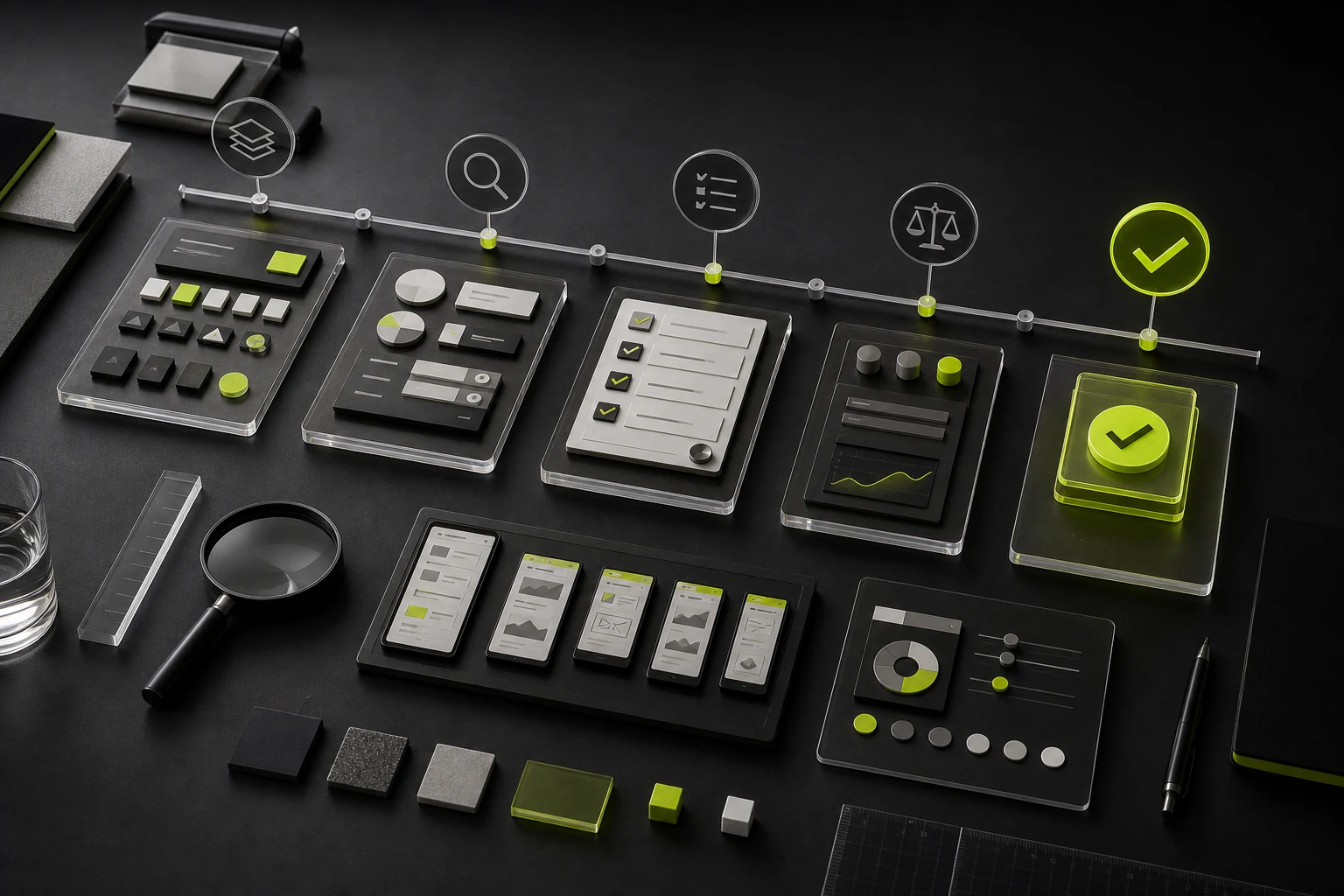
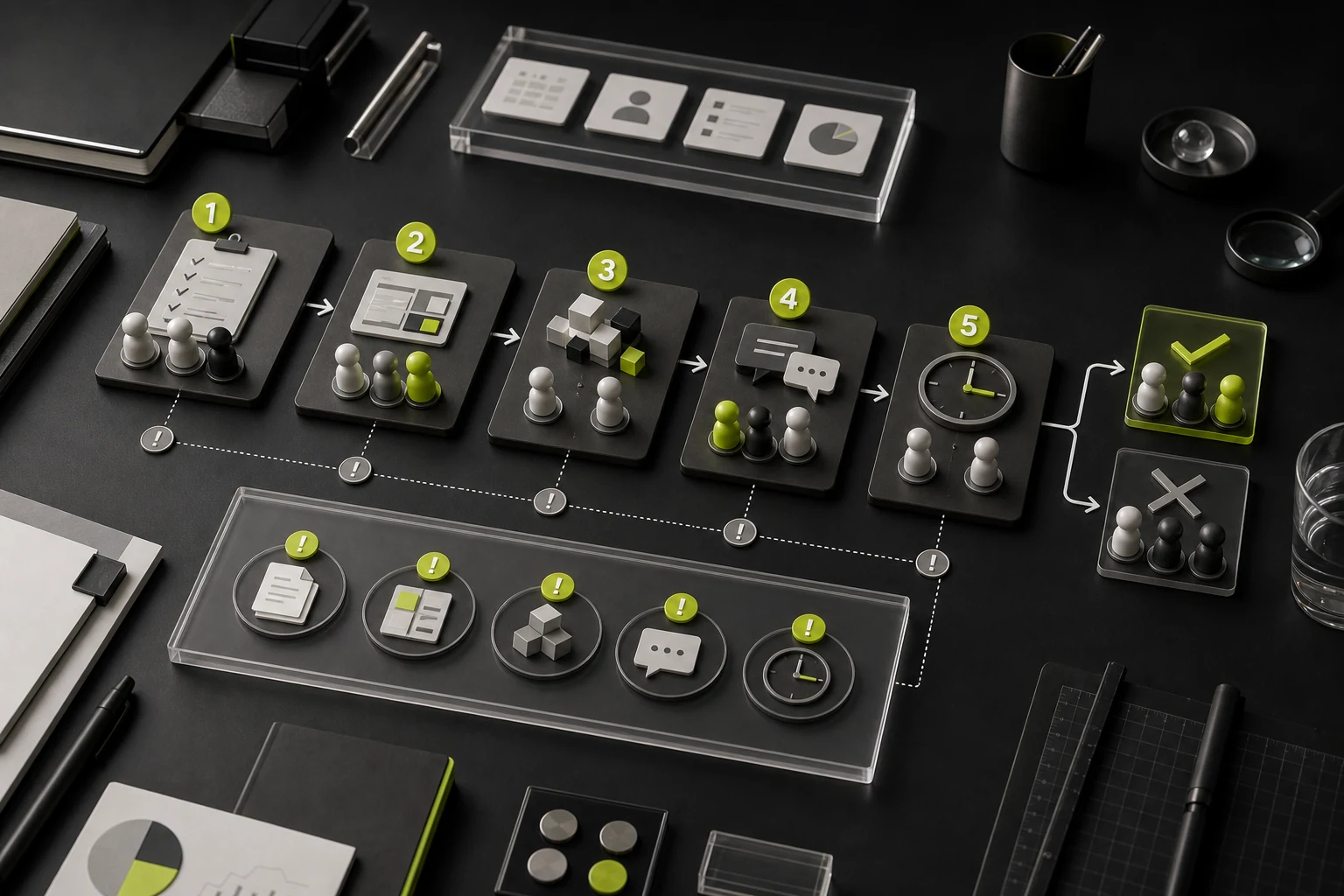
To eliminate this risk of discovering problems only when rework is unavoidable, JVDS strictly applies a five-stage milestone sign-off and acceptance process to every project: until the baseline for the preceding stage is confirmed, we never blindly begin full-scale execution of the next stage:

1. Acceptance deliverables and review priorities at five key milestones
| Project stage | Deliverables submitted for client review | The client team's main review priorities at this stage | Baseline established by sign-off |
|---|---|---|---|
| Milestone 1: Site architecture and wireframes | A full-site sitemap + interaction wireframes for key pages | Check whether navigation categories, page module order, product filtering criteria, and inquiry conversion paths match the business logic (review only the content structure at this stage, not whether the colors look attractive) | Lock the page count and functional logic |
| Milestone 2: First-screen design and visual direction (Moodboard & Key Pages) | High-fidelity desktop/mobile designs for the homepage + 1–2 key inner pages | Involve the company's final decision-maker to confirm that the proportions of brand colors, typography character, image style, and overall visual tone meet expectations | Lock the visual direction as the sole benchmark for developing subsequent inner pages |
| Milestone 3: Freeze all UI designs and interaction specifications | Complete desktop and mobile designs + component state descriptions (Figma) | Review image and text details, form error states, modal styles, and rules for adapting across devices, page by page | Design freeze, followed by formal handoff for front-end coding |
| Milestone 4: Comprehensive pre-launch acceptance on the staging server | An accessible staging website link + an administration account | Check front-end fidelity to the designs, adaptation at multiple resolutions on real devices, form submission notifications, page loading speed, and SEO settings such as TDK/301/Canonical | Confirm there are no blocking bugs and authorize switching the production domain's DNS records |
| Milestone 5: Production launch and digital asset handover | The website running in production + a complete deliverable asset package | Confirm that the live website runs securely over HTTPS, remove the testing noindex directive, and inventory the Figma source files, complete unobfuscated source code package, database backup, and operating documentation |
Successfully close the project and begin the warranty and maintenance period |