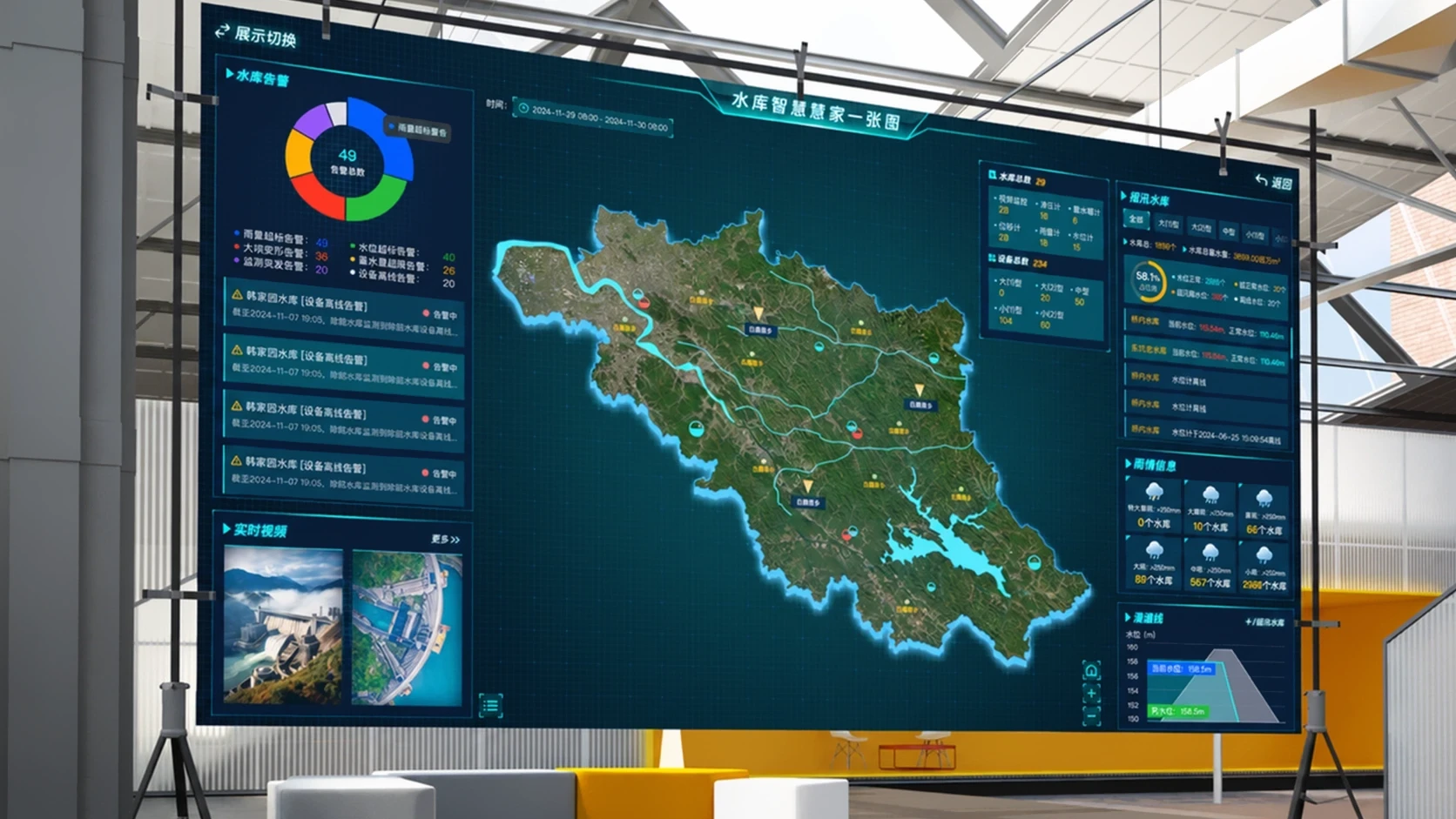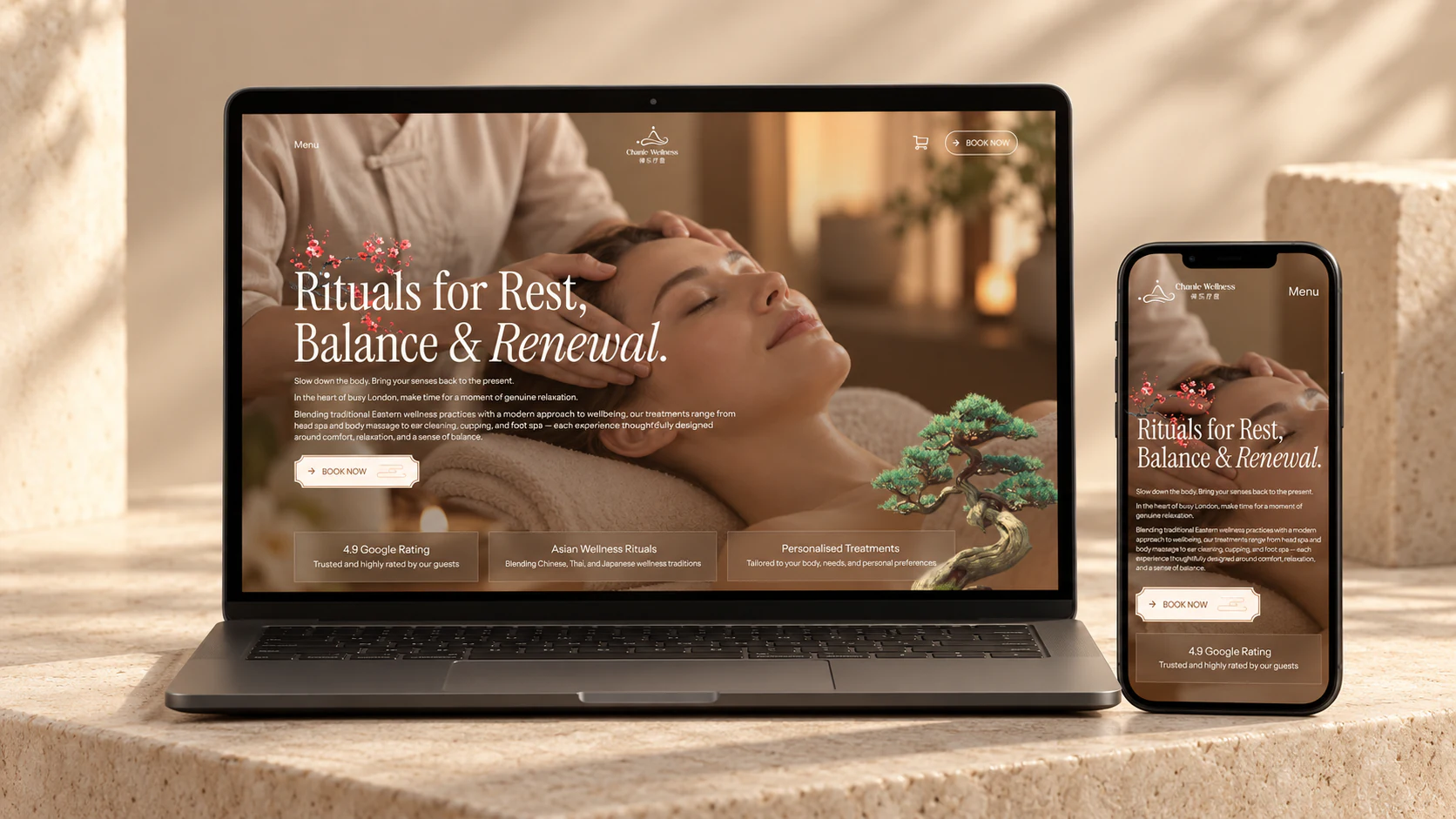
Many businesses expanding internationally assume that building English, German, Japanese, or Middle Eastern sites means copying the Chinese website and having a translation agency or AI replace the text. Yet overseas customers immediately recognize an awkwardly translated site: button labels overflow or wrap, pages for Western audiences use composite imagery shaped by domestic tastes, and address forms insist on China's province/city/district structure.
As W3C internationalization (i18n) guidance emphasizes, website localization (L10n) goes far beyond translation: it is a systematic effort covering visual context, flexible typography, data formats, form interactions, and search architecture. When JVDS designs and develops overseas projects such as the UK's Chanle Wellness and Canada's NeighborBuy, we focus on the following five layers of localization standards:
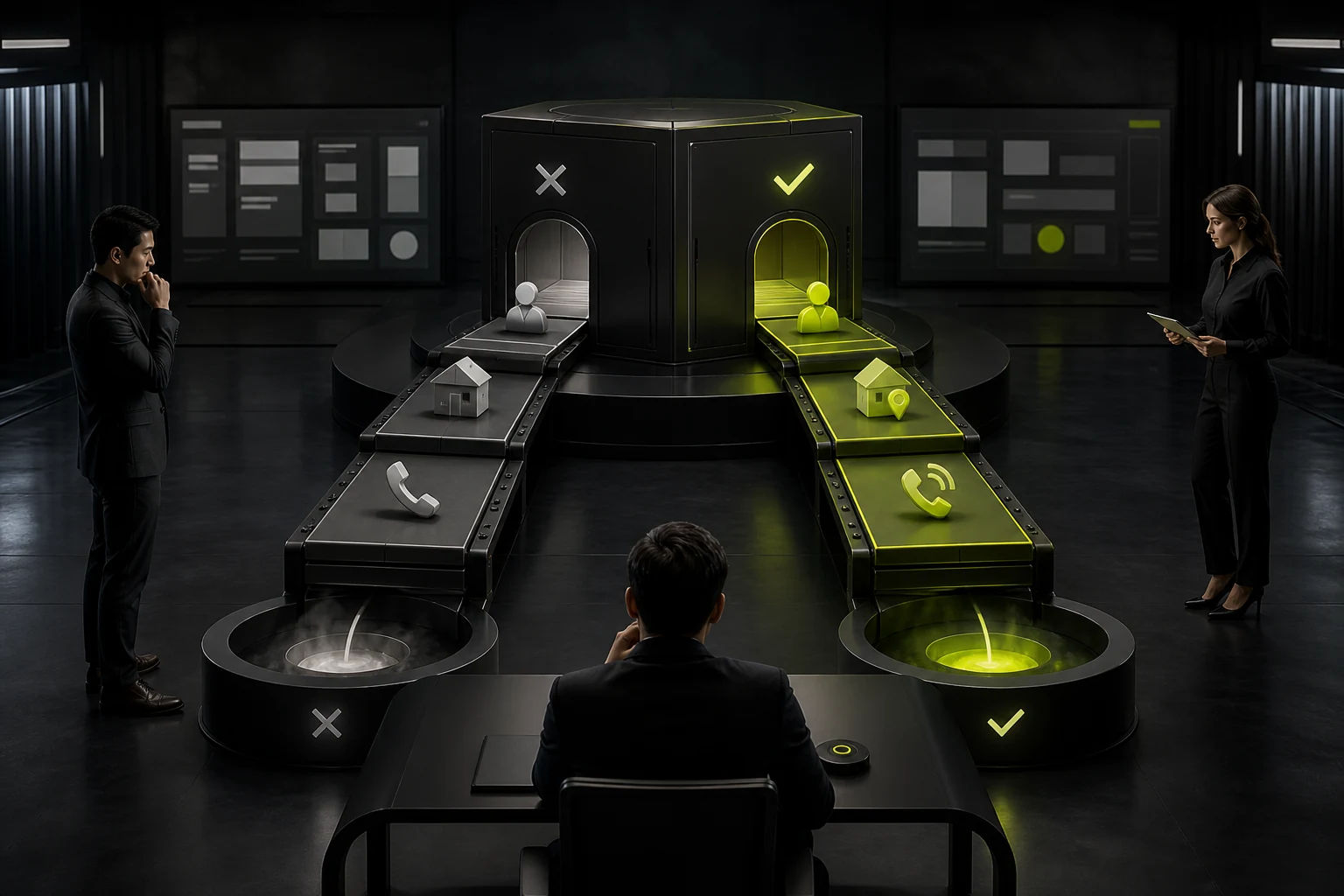
1. Interface layouts: allow 30%–40% flexibility for text expansion
Chinese characters carry a high density of information. When a four-character Chinese label meaning “book now” is translated into English as Book a Consultation, or into German, Russian, or French, its length often expands to 1.5 to 2.5 times the original.

- Do not hard-code navigation or button widths: Use
paddingand Flexbox to prevent German or French navigation from wrapping onto two lines or button text from being cut off. - Rework line height and type sizing: Latin fonts do not share the square character boundaries of Chinese. Applying Chinese font sizes and line heights directly can make them feel crowded and hard to read. Define a separate Latin font stack for the English site, such as Inter or Plus Jakarta Sans, and adjust heading weights and paragraph line height; a recommended range is
line-height: 1.6–1.75.
2. Localize data formats, measurements, and form fields

| Localization area | Common mistake: copying Chinese conventions directly | International localization practice |
|---|---|---|
| Dates and times | Always using 2026-10-08 (American users may misread it as August 10, while British users may misread it as October 8) |
Use unambiguous written formats such as Oct 8, 2026 or 8 October 2026, and specify the time zone (EST / GMT) |
| Measurements and currencies | Showing only millimeters (mm) and kilograms (kg) in North America, or using $ without identifying the currency |
Also show inches (in) and pounds (lb) for North America; label currencies explicitly as USD $, CAD $, or EUR € |
| Address and telephone forms | Requiring linked province/city/district selectors and validating mobile numbers with a Chinese 11-digit regular expression | Use the internationally familiar Address Line 1 / Line 2, City, State/Province, Postal Code, Country fields and a country calling-code selector for phone numbers |
3. Visual context, compliance components, and multilingual SEO (Hreflang)
- Adapt imagery of people and trust signals: European and American customers look for Trustpilot ratings, GDPR privacy compliance, BBB accreditation, and team credentials on LinkedIn. The Japanese market places considerable weight on detailed company profiles, representative director information, and carefully composed photographs of real settings.
- Separate URL structures and
hreflangtags: Do not use cookies or JavaScript to switch Chinese and English dynamically under the same URL, which can leave search engines indexing only one language. Use separate subdirectories such as/en/and/de/, or separate subdomains, and correctly configure reciprocal<link rel="alternate" hreflang="..." />tags in each page's<head>.