When starting a website redesign or web product project, many businesses hesitate between two engagement models: Model A (split outsourcing)—first hiring a graphic/UI design company to produce the designs, then taking them to a separate software outsourcing company or internal IT team to write the code; and Model B (integrated design and development)—commissioning a team such as JVDS, which combines UI/UX design with front-end and back-end development capabilities, to handle the project end to end.
On the surface, split outsourcing may seem to provide a form of “checks and balances,” but in 90% of medium-to-large website and marketing product projects, it tends to become an exhausting three-way blame game among the client, designer, and developer.
1. Why does “design that ignores development and development that does not understand design” cut the quality of the launched result in half?
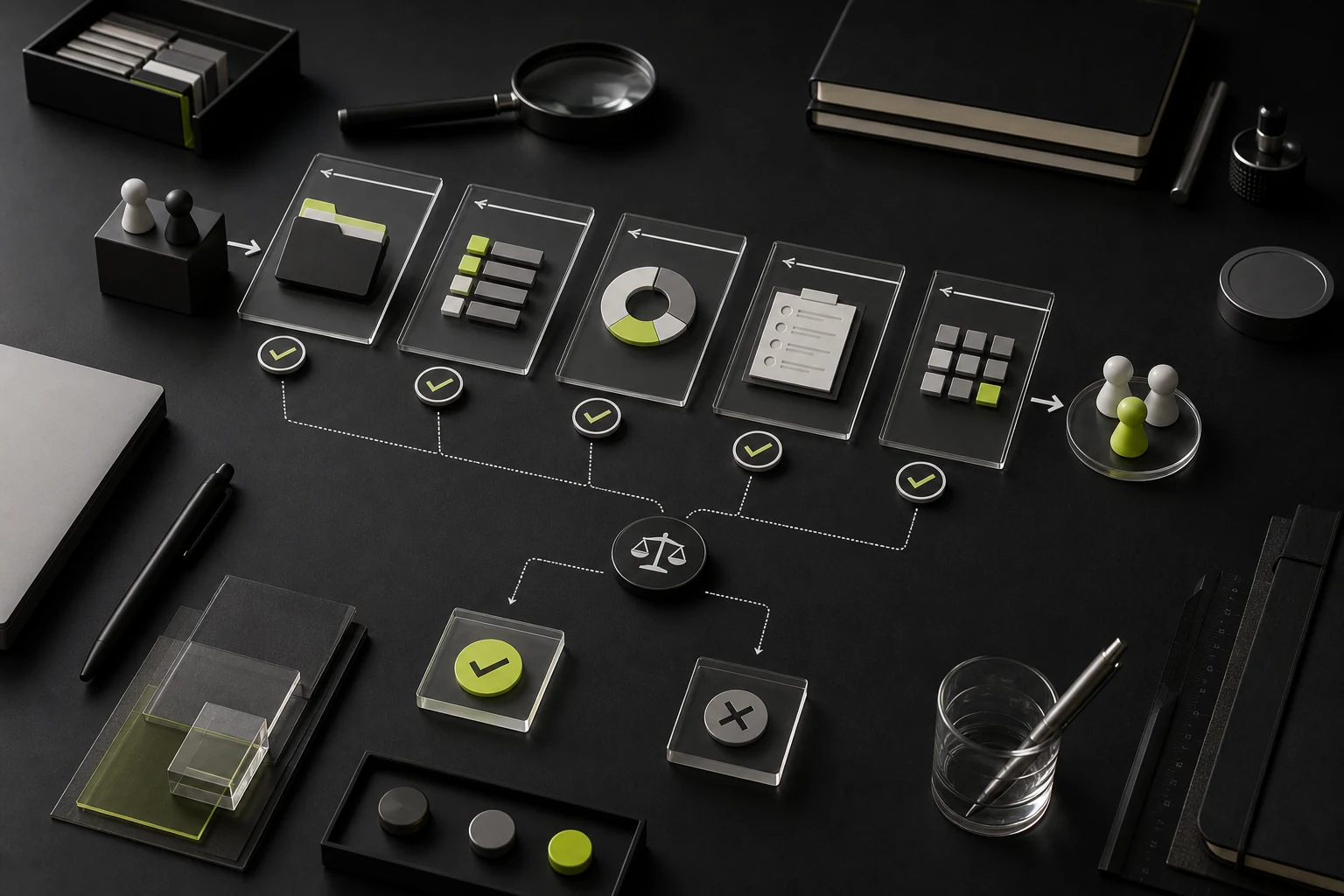
- Responsive breakpoints and animation details are badly lost during handoff Design-only companies often produce just one set of static 1920px desktop mockups, using numerous complex irregular crops and overlapping floating elements. When those designs reach a separate development-only company, engineers rushing to meet deadlines either say “this effect cannot be built on the front end” or stack elements haphazardly on laptop (1366px) and mobile screens. The launched website then looks completely different from the original stunning designs.
- Performance and underlying SEO architecture become disconnected Designers who do not understand front-end development or SEO like to turn entire headings and specification tables into a single large image. Outsourced programmers who simply follow the mockups accept everything as is, slice the images, and paste them into the page. The result: a website that loads at a snail's pace and gives search engines not a single line of text to crawl.
- Both sides shift responsibility when problems arise When a page is misaligned on mobile, the developers say, “The design company never provided specifications for the various mobile states,” while the designers say, “The developers lacked the technical ability to reproduce our design properly.” The company's project manager ends up caught in the middle as an unpaid messenger and coordinator.
2. When is integrated delivery appropriate, and when should you buy design alone?
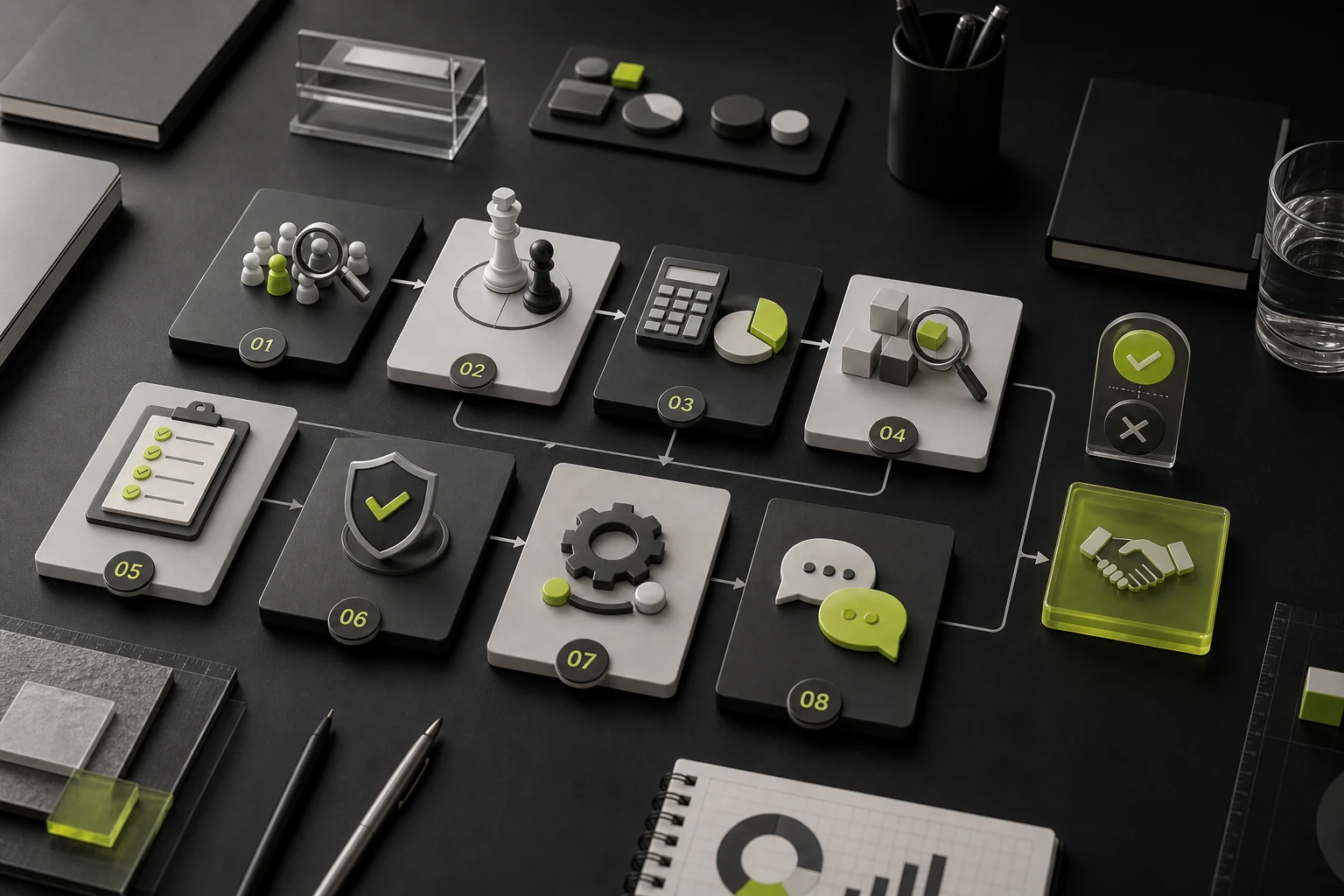
- Scenarios where an integrated design and development team is strongly recommended: Corporate brand websites, standalone B2B websites, marketing landing pages, and projects requiring delivery of a complete, usable system to an external client. As the designer draws the first wireframe, the front-end engineer is already involved in assessing responsive grids, fluid CSS typography, and semantic SEO tags. During pre-launch reviews, the lead designer personally uses a pixel ruler to oversee front-end refinements for fidelity. The client only needs to manage one final outcome.
- Scenarios suited to purchasing UI/UX design alone: The business is itself a software development company with a strong internal team of iOS/Android/Web engineers, but lacks high-level, dedicated product designers. In this case, purchasing professional external UI/UX design services to produce a standardized Figma component library (Design System) and interaction annotations lets internal engineers code efficiently using the library, also achieving excellent results.