When a company needs to compare proposals and quotes from 3 website development or design suppliers, sending only a verbal brief—“We want to redesign our website; please give us a proposal and quote”—often results in 3 quotes that cannot be compared side by side. Company A quotes RMB 25,000 but only provides 5 template-based pages; Company B quotes RMB 68,000 including a custom bilingual site and backend development; Company C quotes RMB 150,000 but packs in brand planning and 3D animation you do not need at all.

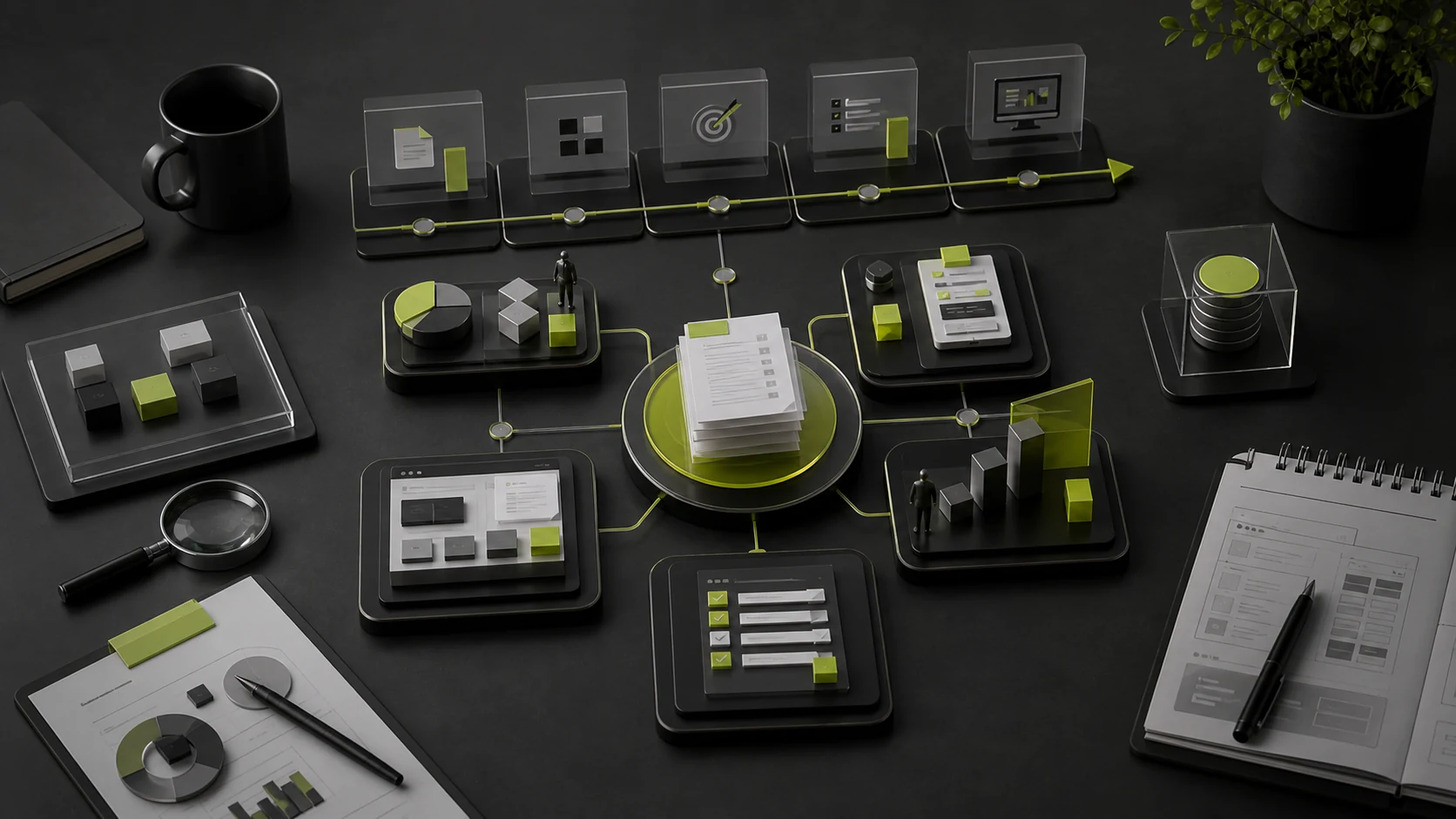
The central purpose of a clearly structured RFP (Request for Proposal) is to give all participating suppliers the same criteria to respond to, so they compete within the same scope on genuine design understanding, technical implementation capability, and fair pricing.
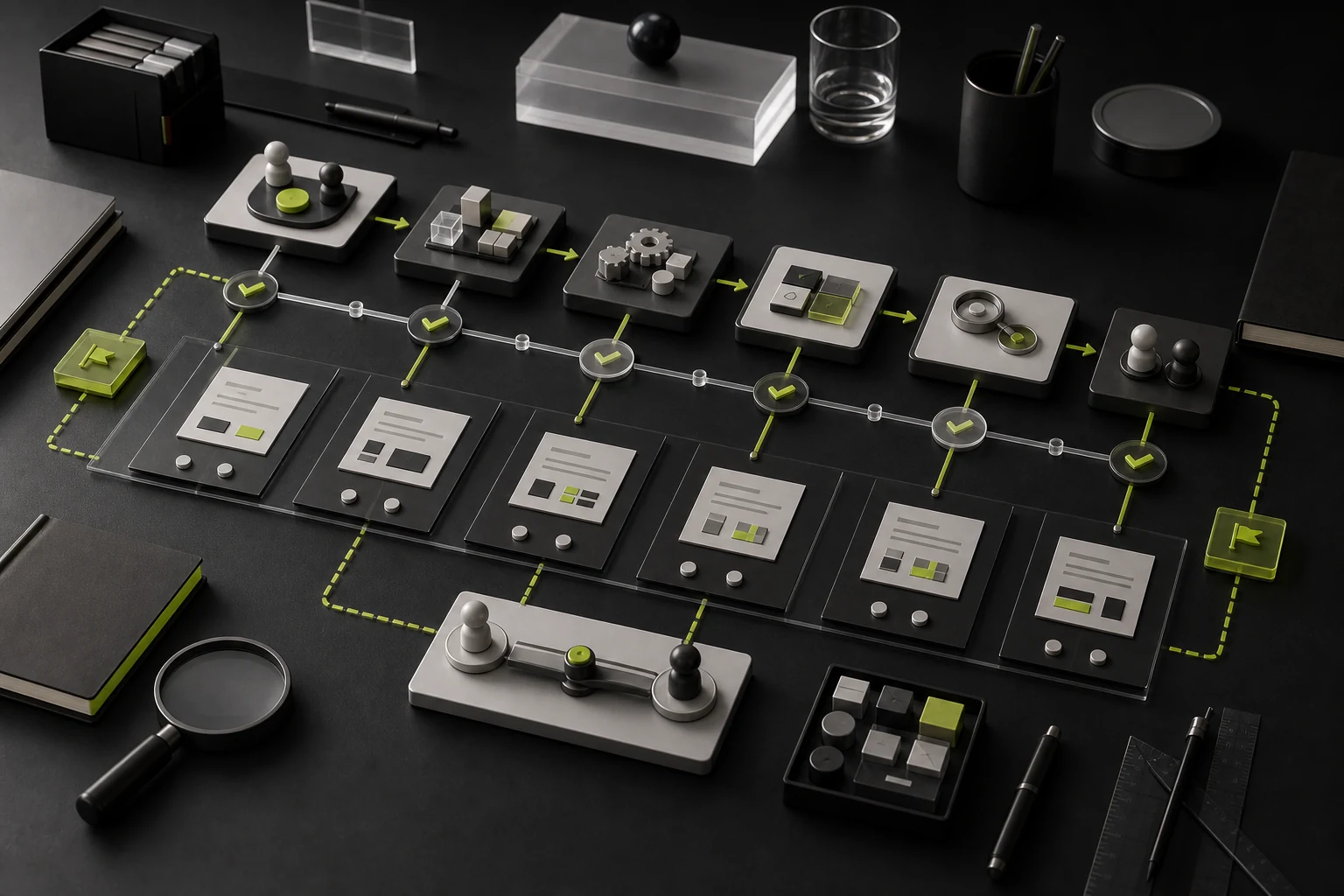
1. The 6 essential modules of a high-quality website/design RFP
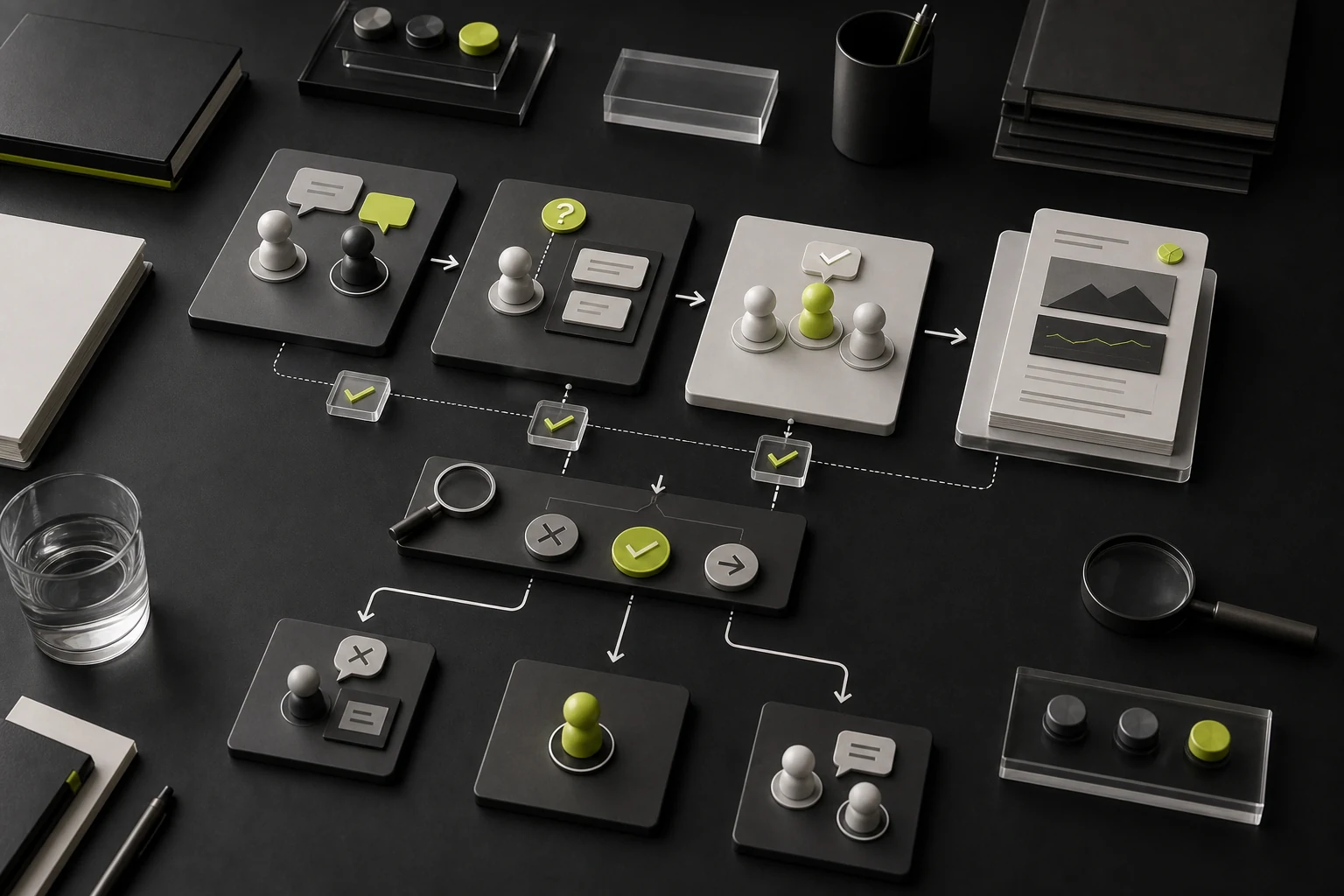
- Company background and the main reasons for redesigning now (Why Now?) Briefly describe the company's core business, existing website URL, and the 2–3 pain points this project most needs to solve in about 200 Chinese characters. For example: “Our current website was built 5 years ago and does not reflect our newly expanded overseas energy storage business; the mobile browsing experience is poor; and the backend does not let us publish articles or configure SEO ourselves, resulting in very few inquiries from overseas organic search.”
- Target audiences and primary conversion actions (Who & What Action?) Explain who the website is primarily intended for (overseas distributors, domestic R&D engineers, procurement directors, etc.) and what you want them to do after viewing it (submit a sample request, download a product specification sheet, or book an online demonstration).
- Proposed section structure and distinct template scope (Scope of Work) List a preliminary sitemap (for example: Home, Product Center [category listings + specification details], Industry Solutions [4 industries], Case Studies, Downloads, About Us, and Contact Us), and indicate the required language versions (such as Chinese + English).
- Mandatory technical architecture, SEO, and compliance requirements (Technical Requirements) Explicitly state: ① Responsive adaptation for desktop/mobile is mandatory; ② Complete unobfuscated source code and Figma design source files must be handed over; ③ A 301 redirect mapping for old website URLs and foundational technical SEO architecture must be provided; ④ Specify the server deployment environment (such as Alibaba Cloud nodes in mainland China / AWS nodes overseas) and CRM integration requirements.
- Project milestone windows and budget range (Timeline & Budget Range) Be transparent about the intended launch date (for example, “The website must go live before the trade show in mid-December 2026”) and approximate budget range (such as “RMB 50,000–80,000”). Sharing a budget range does not put you at a disadvantage. Instead, it lets suppliers propose the most robust and suitable implementation within that budget and filters out unsuitable providers.
- A consistent format for itemized quotes (Pricing Format)
Require all suppliers to itemize hours and costs under the same five headings:
[Initial architecture and UX prototypes] + [UI visual design and guidelines] + [Responsive front-end and animation development] + [Backend CMS and integration testing] + [Testing, launch, and warranty]. You can upload your prepared requirements as an attachment directly through the JVDS project inquiry page. We will provide a structured assessment proposal within 24 hours.