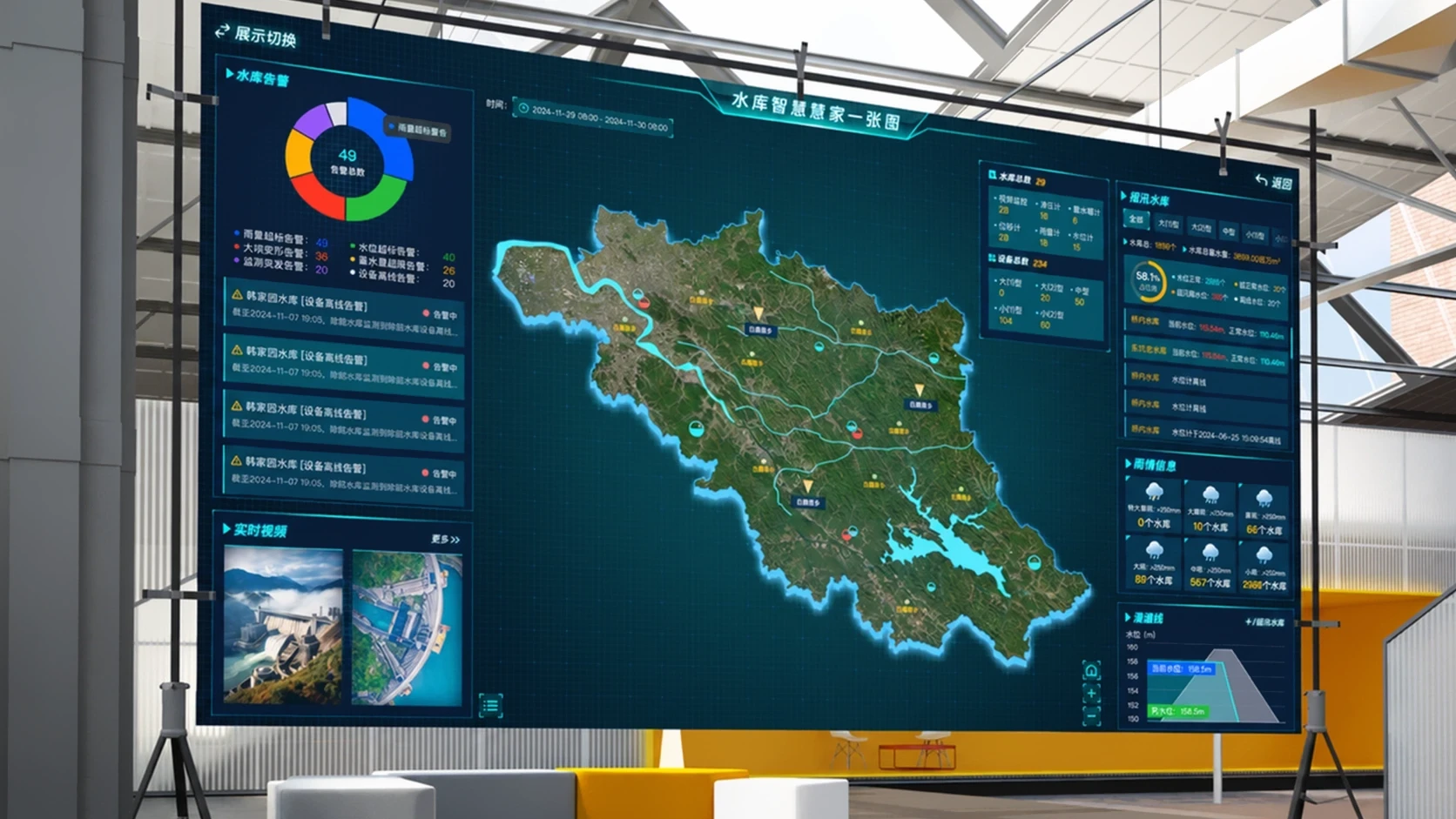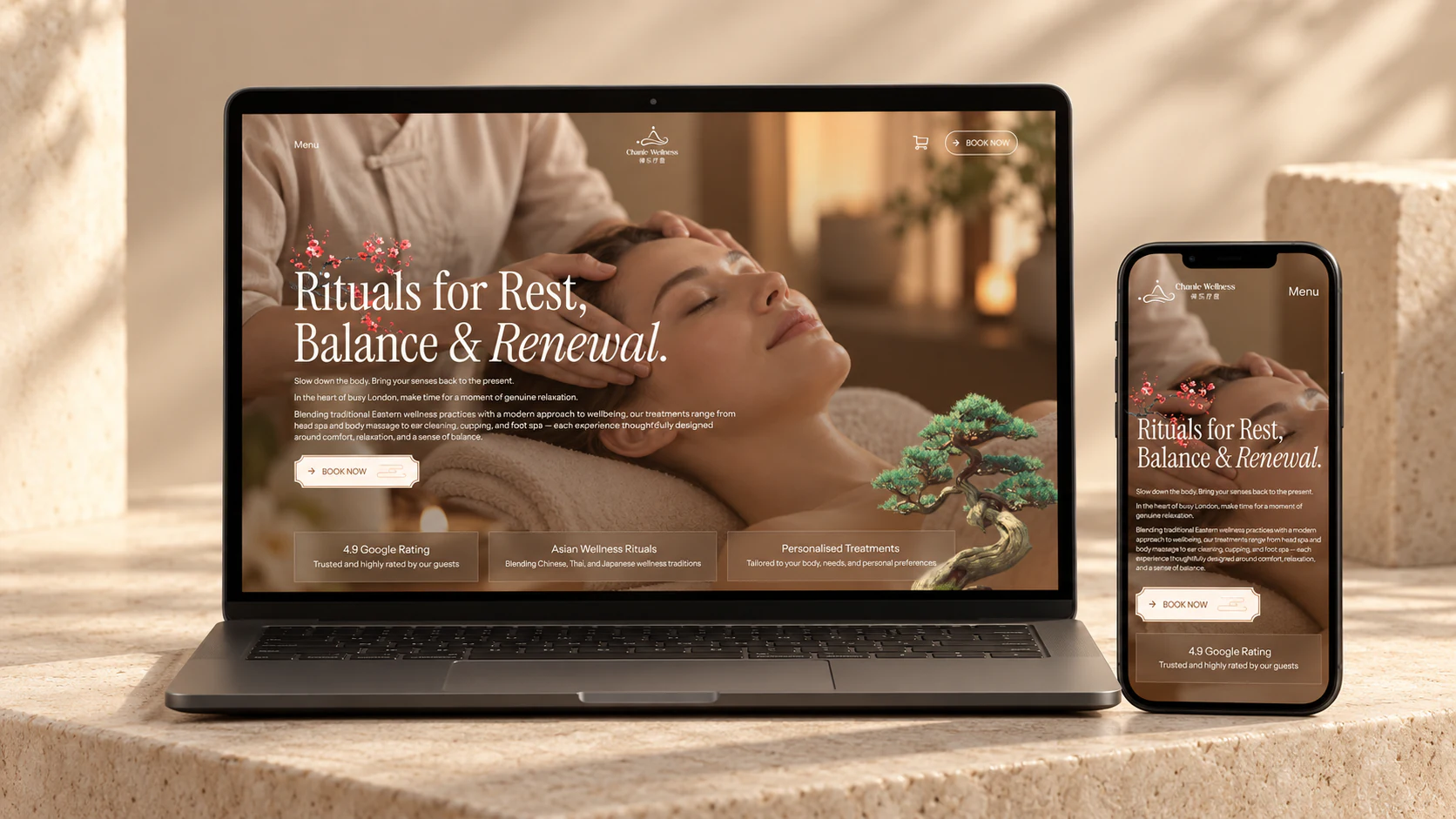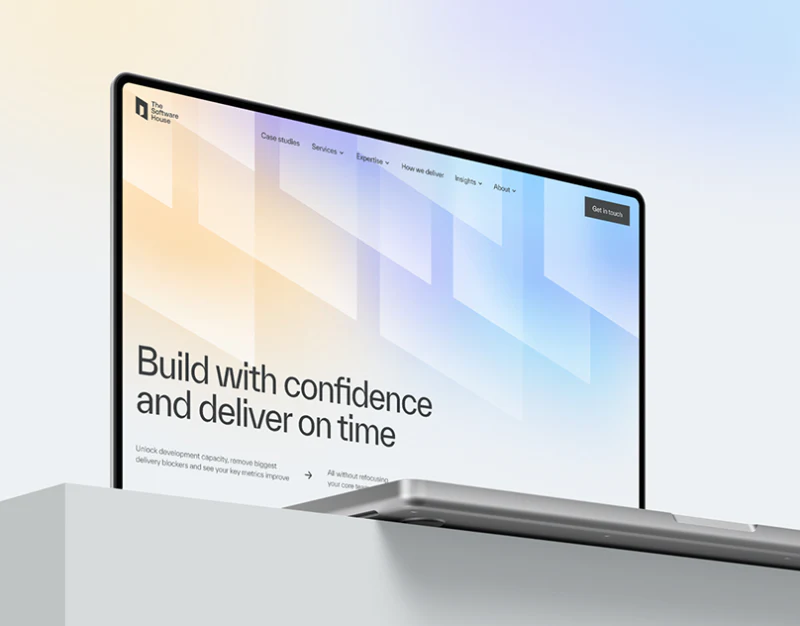
Once a software and IT services or digital solutions company reaches a certain scale, its website often needs to present 5–8 core product modules alongside more than 10 vertical-industry solutions, such as manufacturing, retail, finance, healthcare, and education. At this stage, website teams are particularly prone to two mistakes:
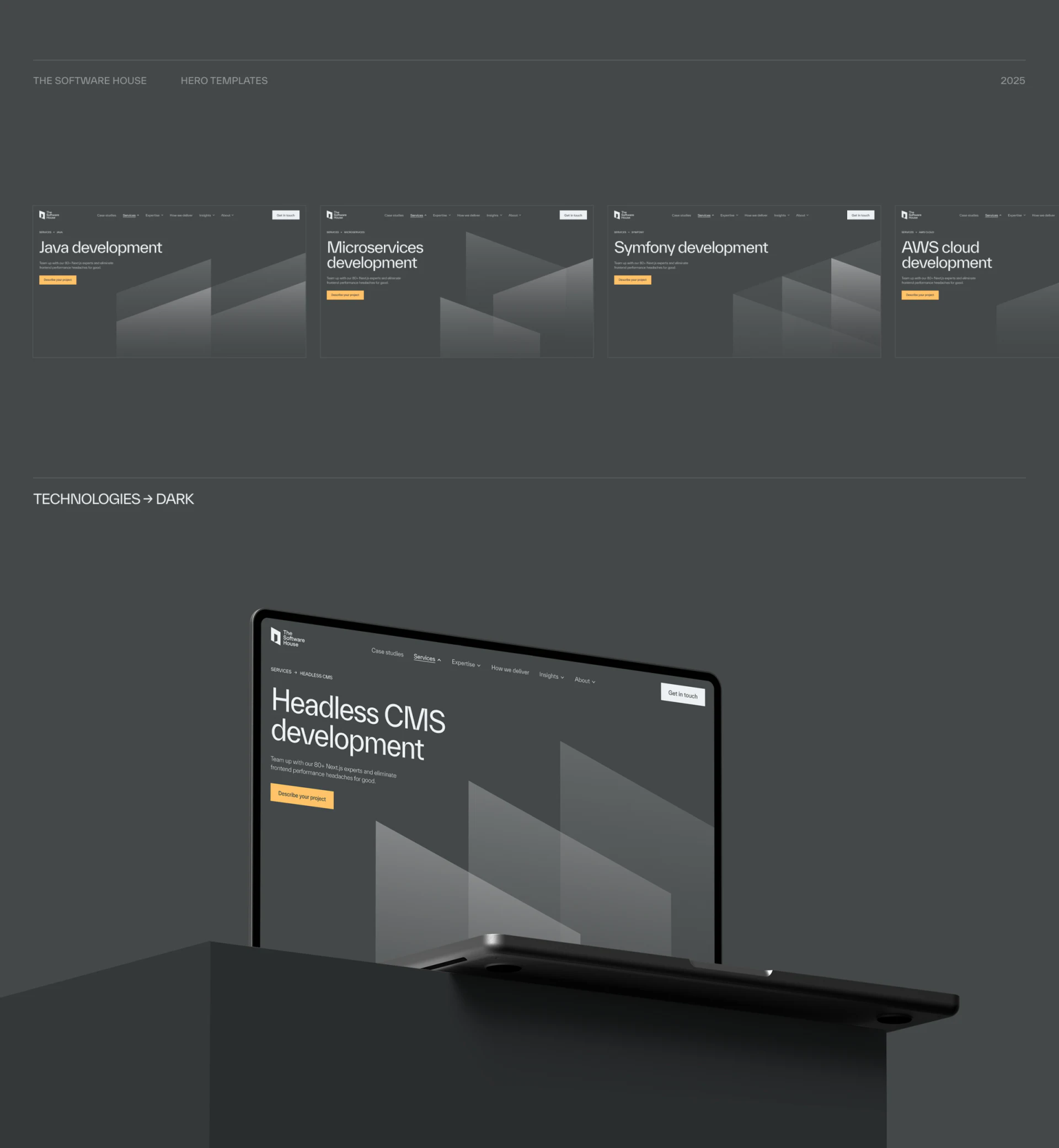
- Mistake 1: uncontrolled layouts. Every solution page reinvents an unrelated layout and color scheme. This raises development and maintenance costs, while visitors navigating the website feel as though they have entered several different companies;
- Mistake 2: vague answers. Although a consistent page template is used, its copy is filled with interchangeable platitudes. “Enabling digital transformation in manufacturing” becomes “Enabling digital transformation in healthcare,” with even the same handshake photograph reused. Visitors come away feeling that the company does not understand their industry at all.
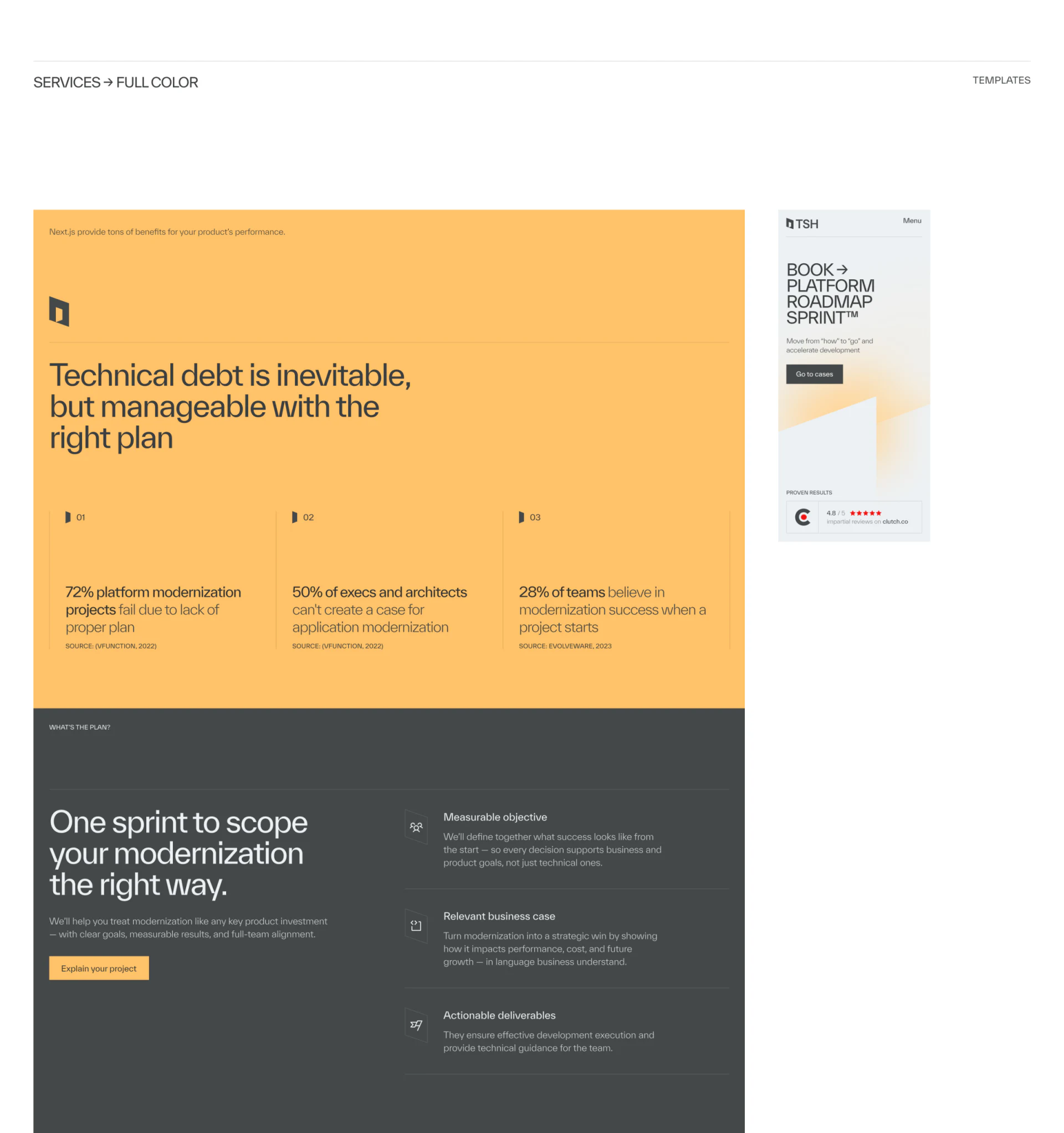
1. What Does “Consistent Templates, Specific Answers” Mean?
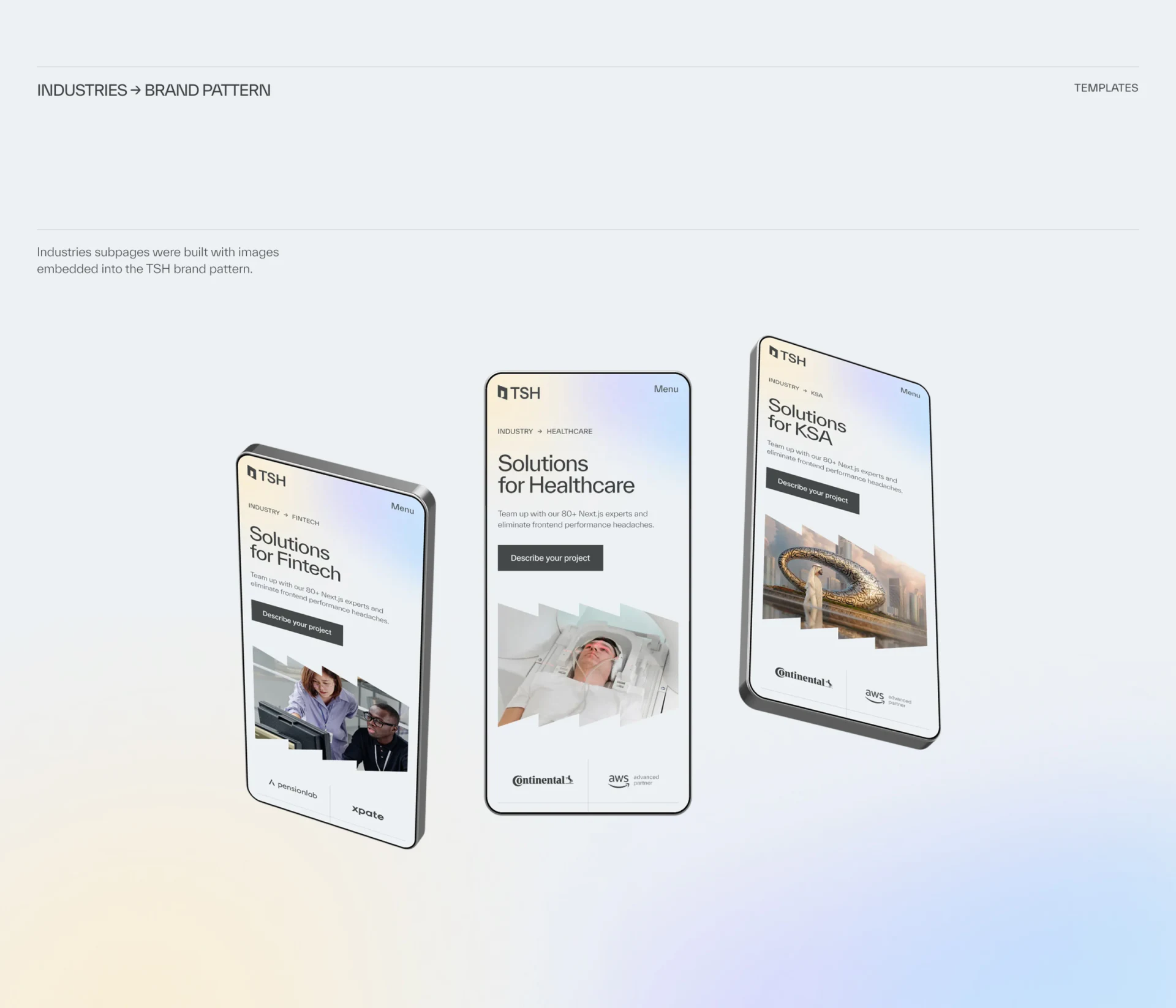
In JVDS's corporate website development solutions, we resolve this tension by standardizing the component-library framework while making industry evidence specific and detailed:
- Keep the page's reading rhythm—the template framework—consistent: All industry solution pages share the same proven structure for high conversion. For example:
Screen 1: Specific Industry Pain Points and Solution Positioning→Screen 2: Core Business Process Architecture Diagram→Screen 3: Interface Breakdown for Three Key Scenarios→Screen 4: Quantified Results from Leading Clients in the Same Industry→Screen 5: Deployment Options and Frequently Asked Questions (FAQ). A stable structure means procurement staff do not have to relearn the page's logic when comparing different modules. - Fill it with irreplaceable, industry-specific detail:
- On a healthcare solution page, images must show real, de-identified interfaces for hospital scheduling or medical record quality control, and the copy must explicitly mention HIS/LIS integration and compliance with patient privacy and de-identification requirements;
- On a retail solution page, the detail must extend to inventory synchronization delays across multiple stores, repeat-purchase funnels for members, and POS checkout interfaces. A standardized page template can deliver strong conversion power only when every slot contains substantive details that industry professionals immediately recognize.