Key takeaway (TL;DR)
Attractiveness bias describes a common psychological projection: people subconsciously equate an appealing appearance with professionalism, integrity, and the ability to deliver. In digital marketing and corporate websites, attractive people can capture attention within three seconds, but without real evidence of performance, this initial goodwill can easily turn into a backlash against trust. JVDS emphasizes that, in commercial UI/UX design and brand touchpoints, imagery of people must serve an actual communication task. Verifiable professional evidence must support the initial visual impact to connect sensory attraction with business conversion.
1. How appearance judgments spill over into assumptions about competence
When users visit an unfamiliar company's website, they have limited cognitive resources and little information. In this cold-start situation, the brain instinctively uses the easiest available cues to make decisions. This is how judgments about appearance spill over into overall evaluation.
1.1 The attractiveness stereotype through the lens of the halo effect
The early social-psychology experiment “What Is Beautiful Is Good” by Dion and colleagues found that, compared with less attractive people, good-looking individuals were assumed to have healthier social personalities, higher career potential, and better quality of life.
- Perceptual shortcut: visual beauty activates reward circuitry in the orbitofrontal cortex, creating an immediate sense of pleasure.
- Generalized attribution: this initial positive feeling quickly spreads into unsupported assumptions about nonvisual qualities such as intelligence, responsibility, and professionalism.
1.2 Lessons from the Kennedy–Nixon televised debates
The 1960 US presidential election introduced live televised debates, marking a turning point in image-driven politics and multimodal communication:
- Nixon was recovering from a serious illness, looked drawn, declined professional makeup, and perspired heavily.
- Kennedy appeared tanned and energetic, wore clothing with clear visual contrast, and looked directly into the camera.
Later research in communication and political psychology, including Druckman's randomized controlled experiment, showed that the same substantive presentation produced markedly different levels of trust and patterns of attribution depending on whether it was accompanied by visual imagery. Appearance did not change the facts, but it reshaped the mental lens through which audiences interpreted them.
2. The interaction between bodily cues and social symbols
In branding and interface design, pursuing facial symmetry and an ideal physique alone can lead to shallow aesthetics and sameness. A person's image is a symbolic system shaped by both bodily instincts and social context:
2.1 The limits of biological cues
Facial symmetry and healthy skin tone are often treated in evolutionary psychology as signs of vitality that can create unconscious positive reactions. A corporate website, however, is not a fashion-magazine cover. Mechanically applying fashion-model proportions or influencer-style faces can undermine the rigor and substance expected of B2B or advanced-technology brands.
2.2 The anchoring effect of social context and identity cues
How observers ultimately judge a person depends heavily on clothing, posture, surroundings, and props:
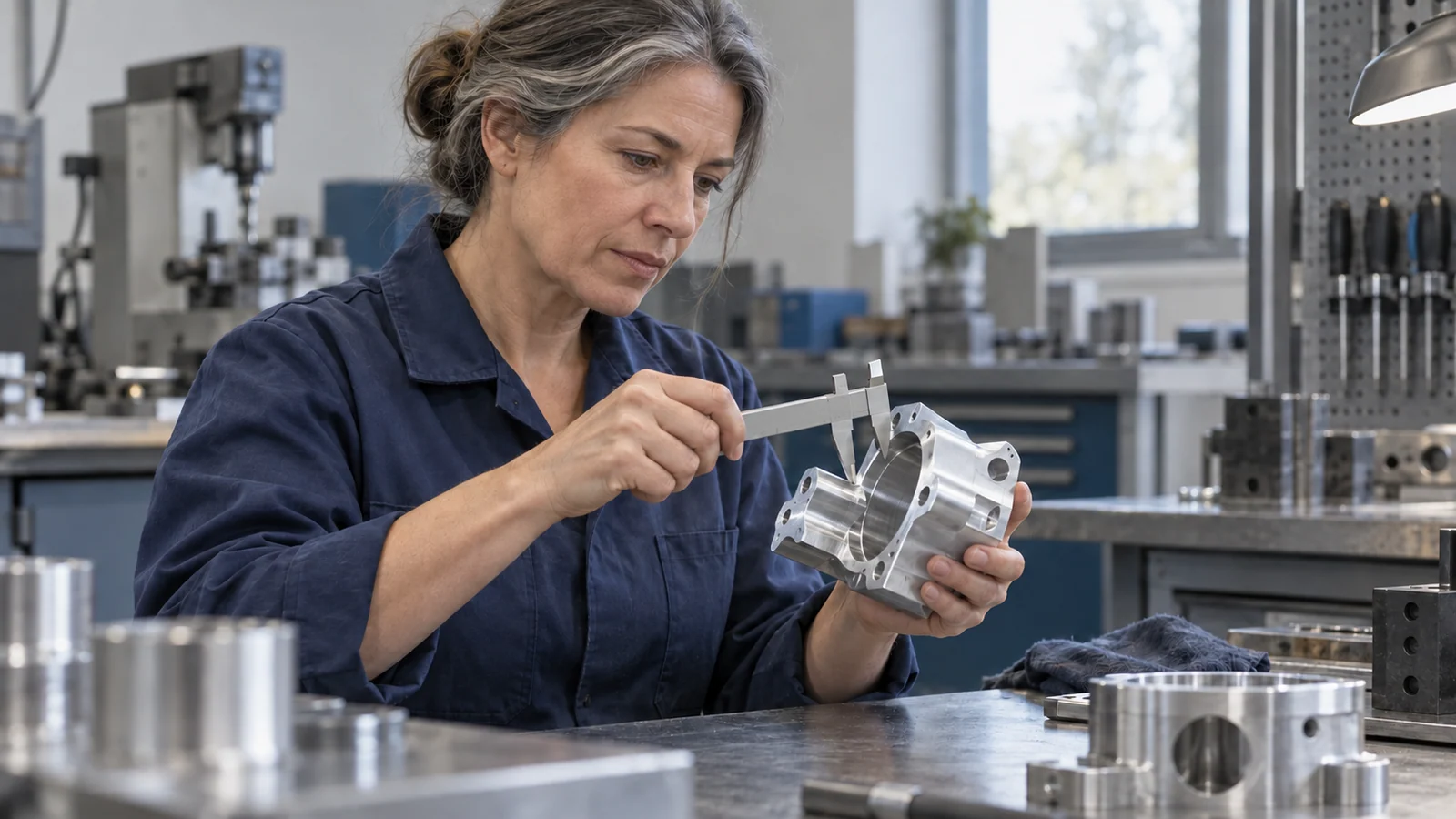
- An on-site engineer wearing purpose-made workwear and holding inspection equipment communicates dependable delivery more effectively than a stock-photo model in a suit.
- A portrait of a technical leader with natural signs of age and a confident gaze conveys longstanding industry experience more effectively than an excessively retouched youthful face.
3. A comparison matrix for imagery of people
In modern commercial website redesign and digital branding, indiscriminate purchases of stock photography can damage a brand's character. The following table distinguishes frequently used core assets, infrequent but necessary assets, and empty decorative imagery:
| Asset level | Specific forms and applications | Value for brand perception and conversion | Common failures and ways to avoid them |
|---|---|---|---|
| Frequently used core assets Must be authentic and restrained | • Real, commissioned portraits of key executives and experienced experts. • Documentary close-ups of product and engineering teams in actual workflows. • Supporting evidence beside each person, such as publications, patents, or representative work. | Establish a strong sense of organizational authenticity, build subconscious trust, and greatly reduce friction in initial collaboration. | Avoid the indistinguishable stock-photo “four smiling professionals” group; users may immediately associate it with a fictitious shell company. |
| Infrequent but necessary assets Contextual depth | • On-site interviews with real reference customers appearing on camera. • Genuine support-team portraits in ticketing systems. • Documentary employee group images in internal publications or social-responsibility activities. | Increase confidence in customer decisions, communicate the team's warmth, and reduce the impersonal distance of purely technical products. | Selecting foreign fashion models whose appearance is far removed from the target audience's reality can create distance and distrust among customers in lower-tier markets. |
| Redundant, illusory decoration Self-indulgent overpackaging | • Oversized, staged models waving meaninglessly across the homepage hero. • Inflated celebrity or business-elite illustrations unrelated to the actual business. • Screens filled with heavily artificial AI figures whose skin has no pores or imperfections. | Can cause aesthetic fatigue, conceal the core business value, and provoke subconscious resistance instead of conversion. | Assuming that an attractive AI female customer-service avatar can conceal difficult core functionality and confused product logic. |
4. JVDS methodology for connecting human imagery with trust
In website redesign and high-fidelity digital-product design, JVDS rejects treating human imagery as appearance for its own sake. We use an implementation approach that connects sensory bias with business trust:
[JVDS Three-Stage Trust Funnel]
Attraction through appearance → Anchoring in business evidence → Verification of delivery capability → Deep trust
- Contextual photography guidelines. When creating a client's visual system, JVDS avoids empty, studio-style glamour photography. The camera should be placed in real working environments such as R&D laboratories, control rooms, and design workshops. The subject's gaze and movements should show concentration on solving a specific engineering problem, connecting outward appearance with technical capability.
- Evidence-companion layout. Establish a rule that images and evidence appear together. Within 200px of each expert or executive portrait, place a structured evidence card with relevant industry experience, major projects, key publications, or customer-review badges. Initial goodwill produced by attractiveness bias should receive rational support within 0.5 seconds.
- An inclusive aesthetic audit that reduces stereotypes. For global expansion or platforms serving multiple levels of government and business, JVDS advocates diversity and inclusion reviews of human imagery. Reject a single ideal of pale skin, youth, and thinness or a rigid elite stereotype. Show real working people of different ages and occupations to build a brand with an international outlook and broad emotional resonance.

5. Frequently asked questions
Q1: If a B2B company does not want employees to appear on its website, can it use stock-photo models instead?
This is not recommended and often backfires. Professional buyers and enterprise customers are highly sensitive to stock imagery. Repeatedly seen photographs of supposed employees in suits giving thumbs-up gestures can instinctively suggest an improvised company lacking confidence. If employees cannot appear, a better approach is to use detailed product hardware and software imagery, interface screenshots, data-visualization displays, or custom conceptual line illustrations. These are more persuasive than a false stock-photo face.
Q2: Now that AI-generated imagery is highly realistic, should websites replace real photography with virtual people?
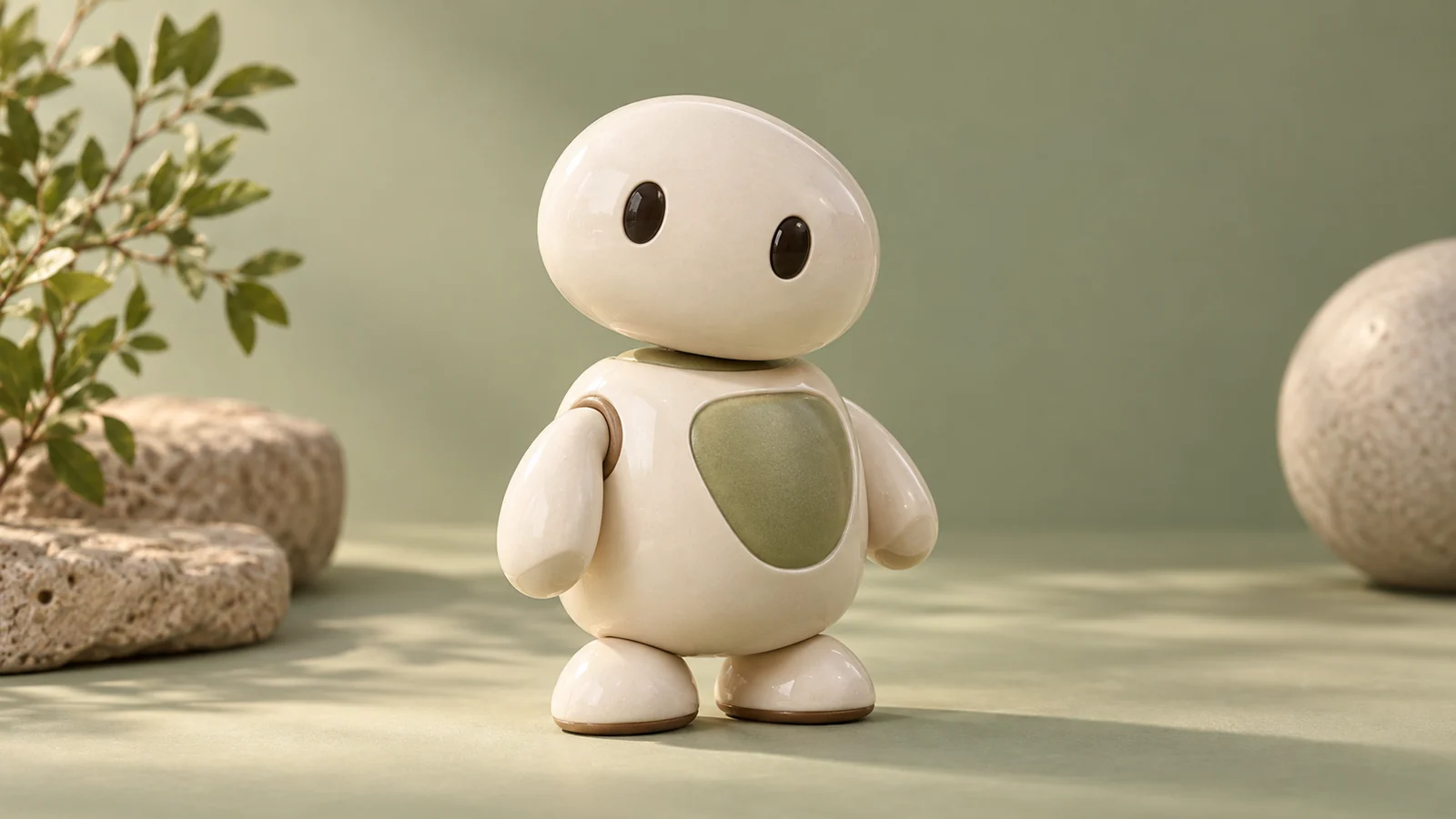
It depends on the context; serious business endorsements require particular caution. Virtual people can be visually effective in science-fiction concepts and emerging-technology presentations. But in team and case-study sections answering “Who is providing this service?”, discovering that the person is an AI-generated individual who does not exist can severely damage confidence in the company's integrity. JVDS recommends using virtual people as mascots or assistant characters while preserving genuine photography for team credentials and real case studies.
Q3: How can a company tell whether its human imagery is appropriate or excessive?
Observe what users do after looking at it. If their attention naturally moves from the hero portrait to core services and technical specifications, followed by an inquiry, the image is serving as a visual bridge. If heatmaps show users repeatedly enlarging the face and then leaving, or interviews reveal that they remember only the stylish photography and cannot explain what the company does, the imagery is overshadowing the business and needs immediate redesign. For further examples of refined corporate website redesign, explore the JVDS design portfolio.