Key takeaway (TL;DR)
The averageness effect, also called the MAFA effect, describes a striking statistical pattern in facial aesthetics. In controlled experiments, geometrically aligning and combining several real faces can produce an “average face” that receives higher attractiveness and likability ratings than most individual source faces. The explanation involves the brain's facial prototypes and the smoothing of extreme features and asymmetries through averaging. JVDS emphasizes that, in commercial brand imagery and fictional character design, visual harmony does not mean maximizing averageness. Excessive mathematical perfection can erase distinctiveness and create an uncanny impression. Strong commercial visuals balance a harmonious underlying structure with memorable individual characteristics.
1. Mathematics meets aesthetics: why can composite faces feel more harmonious?
In cognitive neuroscience and evolutionary psychology, the averageness effect illustrates the brain's preference for prototypes. The process can be understood through four stages:
- Stage 1 — Smoothing local irregularities: geometric averaging across multiple faces can reduce small blemishes, asymmetries and extreme forms.
- Stage 2 — Increasing bilateral symmetry: small left–right differences are balanced through layering, creating proportions associated with classical facial harmony.
- Stage 3 — Activating a familiar prototype: the closer a face is to an internal facial prototype, the less decoding effort it requires, producing a sense of ease and familiarity.
- Stage 4 — Weakening commercial individuality: removing every irregularity also removes distinctive character cues. The result can feel plastic, generic and forgettable.
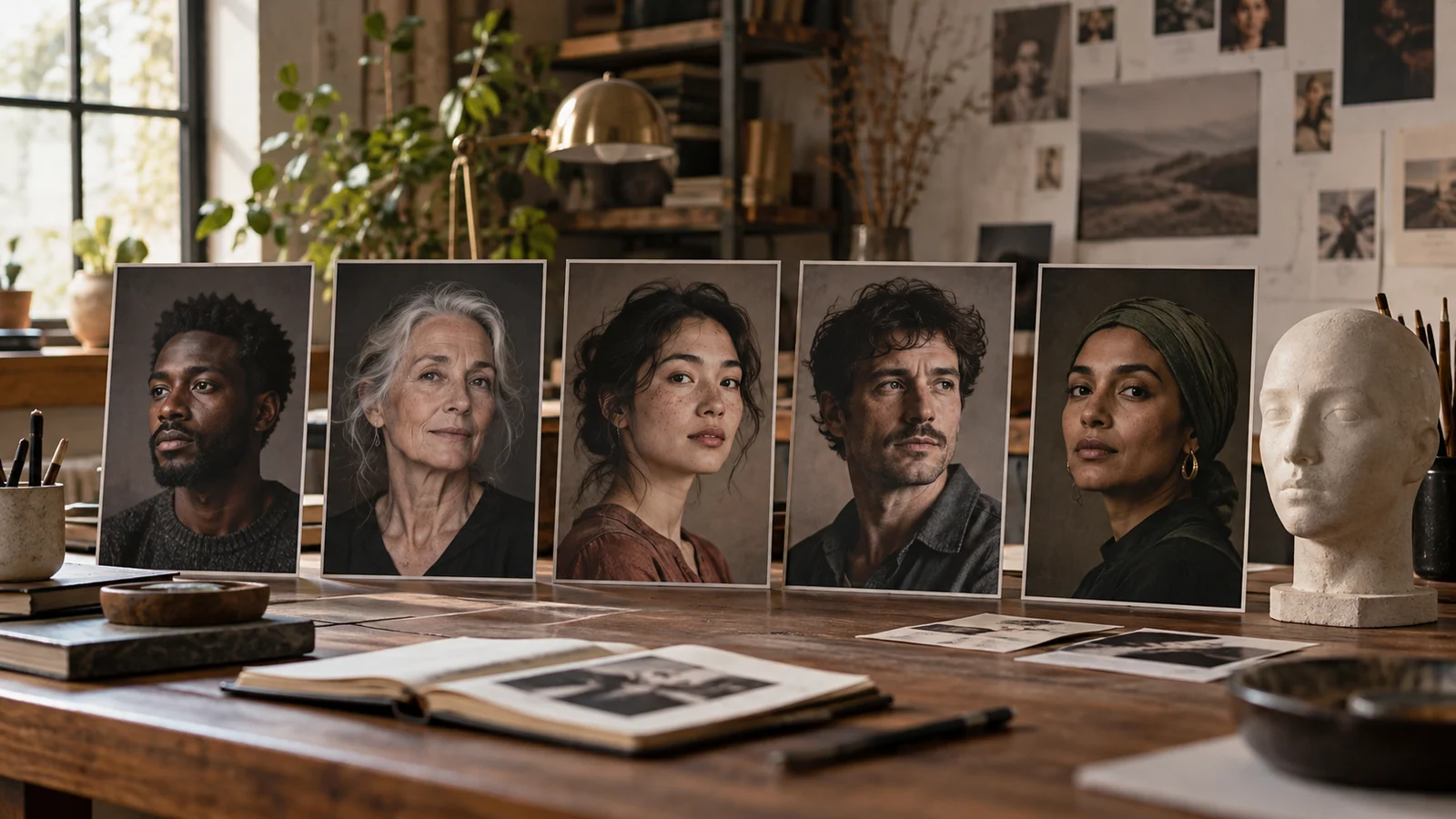
- Francis Galton's unexpected discovery: in the late nineteenth century, Darwin's cousin Francis Galton superimposed photographs of convicted criminals in an attempt to identify supposed innate criminal facial characteristics. The composite portraits contradicted his expectation: rather than appearing menacing, they looked regular, balanced and attractive.
- Modern psychological explanations:
- Evolutionary hypothesis: this hypothesis proposes that extreme departures from a population's average form could be associated with disease, genetic problems or disrupted development, and that a preference for average features evolved as a perceptual filter for identifying healthy mates.
- Cognitive economy and prototype theory: after encountering thousands of faces, the brain develops an internal facial prototype. A face closer to that prototype requires less processing and can feel fluent, familiar, safe and visually comfortable.
- Geometric symmetry as a by-product: individual faces typically have subtle asymmetries associated with habits or development. Weighted geometric combination can cancel some of those differences and produce greater bilateral balance.
2. When averaging weakens commercial imagery
In digital marketing, AI-generated modeling and brand-character development, an uncritical pursuit of mathematical averaging can undermine brand appeal:
2.1 The interchangeable plastic faces of AI imagery
The overuse of tools such as Midjourney and Stable Diffusion has filled some websites and advertisements with supposedly flawless virtual models: golden-ratio proportions, ceramic-smooth skin and eyes as symmetrical as vector drawings. These statistically regular faces may seem unobjectionable at first, yet within three seconds viewers can experience artificiality and visual fatigue. They provide little individual character through which a brand can be remembered.
2.2 Spending trust on fabricated testimonials and case studies
Some companies avoid portrait-licensing costs by using invented AI faces as real customers or employees in testimonial and team sections. This is dangerous. Professional B2B buyers can be highly alert to signs of fabrication. Discovering that a supposed technology executive or reference customer is fictitious can undermine years of accumulated commercial trust.
3. A four-dimensional comparison for commercial portrait assets
The following matrix helps teams balance visual comfort with a distinctive brand personality:
| Evaluation dimension | Core visual assets or practices | Occasional supporting practices | Redundancy, misrepresentation or superficial styling |
|---|---|---|---|
| Real teams and customer testimonials | Photograph actual employees and customers, preserving expression and the texture of lived experience to establish trust. | Make limited corrections to lighting and skin tone, and crop distracting background objects without misrepresenting the person. | Use flawless AI-generated people as supposed experts or genuine endorsers, risking deceptive representation. |
| Fictional brand characters and mascots | Add memorable departures from average proportions, such as distinctive eyes, a slightly lifted chin or a recognizable hairstyle. | Use balanced proportions as the foundation so the overall design does not feel malformed. | Rely on generic production templates that make the character indistinguishable and instantly forgettable. |
| Advertising-model casting | Match the brand's character, whether resilient, perceptive or restrained. Presence matters more than isolated facial proportions. | Represent different ethnic and cultural backgrounds when addressing diverse international markets. | Apply the same youthful, pale, sharply pointed influencer-face aesthetic to every product. |
| Restrained commercial retouching | Preserve bone structure, natural expression lines and skin texture to retain professional dignity. | Correct excessive highlights or lens distortion moderately. | Smooth away pores and facial structure until the person resembles a flat, floating cutout. |

4. The JVDS approach: authenticity with character
In corporate digital rebranding, leadership imagery and modern brand design, JVDS follows an aesthetic philosophy that values authenticity and expressive structure:
- Direct portraits around presence rather than idealized features: for official portraits of entrepreneurs and scientific teams, JVDS rejects assembly-line studio retouching. Cinematic Rembrandt lighting draws attention to the eyes and expression. Lines shaped by thought and experience are respected, communicating composure and confidence in delivering commitments. Credible professionalism, rather than artificial perfection, earns respect.
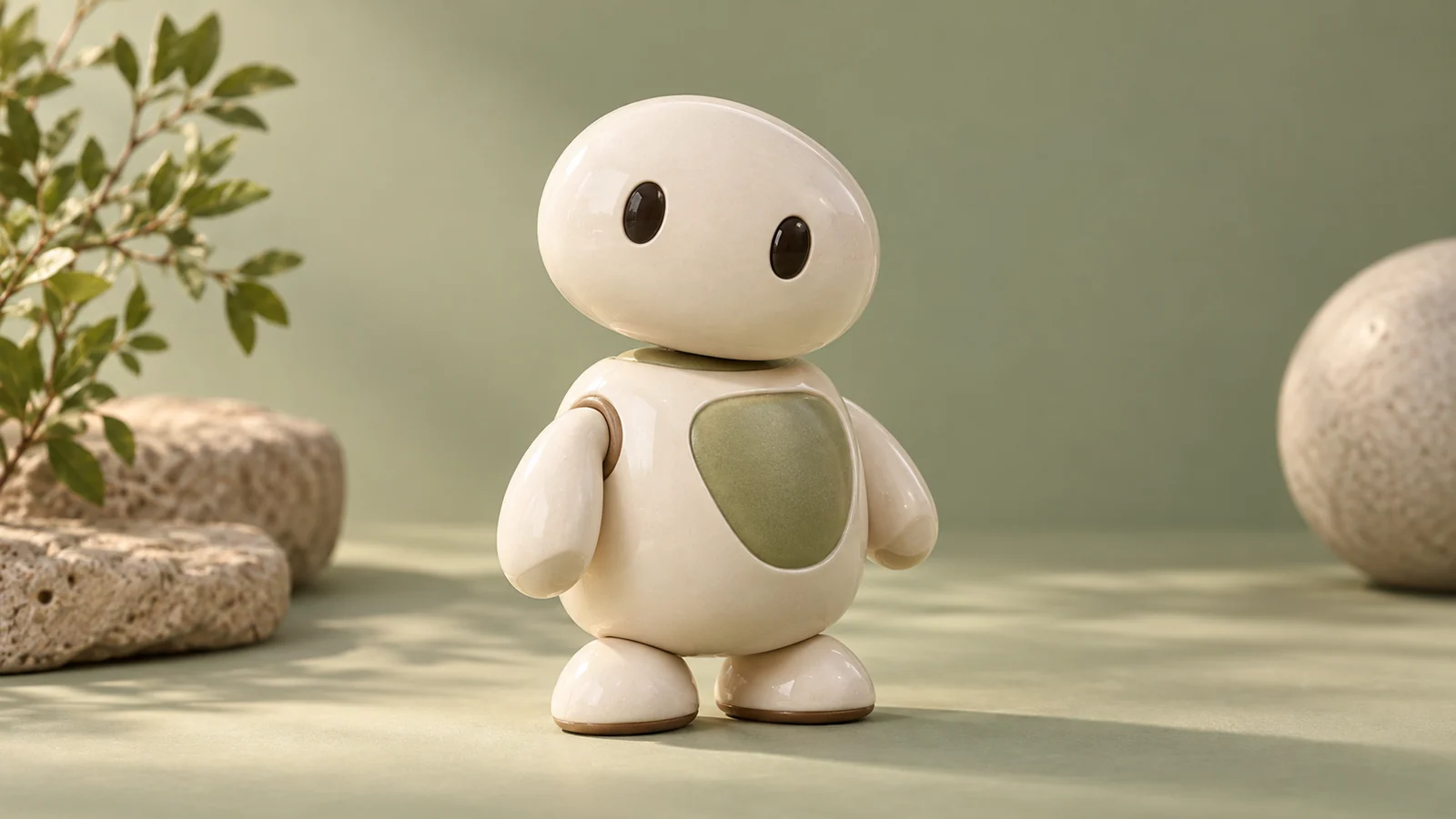
- Build harmony first, then introduce distinctive character: when developing fictional digital ambassadors or brand characters for technology companies, our character-design approach starts from an approachable, statistically balanced foundation. Carefully considered deviations in areas such as brow angle or smile shape introduce a “5% individuality offset.” The intention is to avoid both generic sameness and alienating distortion, creating a memorable brand symbol. Explore our design work for character-development examples.
- Review authenticity and permissions: JVDS commercial-delivery guidelines set a firm boundary: portraits used for official endorsements, social-responsibility reports and partnership case studies must correspond to real people and have appropriate portrait permissions. Digital fabrication must not replace the human reality behind commercial commitments.
5. Frequently asked questions
Q1: Why can models with unusual features, such as widely spaced eyes or prominent cheekbones, have exceptional commercial value?
High-end fashion and luxury imagery prioritize rarity, recognizability and strong visual impact. An average face may be harmonious, but distinctive features can carry greater visual identity. Features such as Anya Taylor-Joy's widely spaced eyes or Lü Yan's strong facial contours become expressive visual signatures under skilled photographic lighting, helping a magazine cover or campaign stand out immediately.
Q2: How can executive portraits look appealing while remaining professionally credible?
Follow the principle “refine presentation without changing structure; adjust light without erasing skin.” Strong portrait photography relies on lighting: side or back light can define the shoulders, and a softbox can shape facial shadows. Retouching should address temporary issues, such as a new blemish or a clothing crease, rather than alter facial structure or erase characteristic smile lines and eye expressions. Preserve the person's natural presence.
Q3: Why might authentic photography become more valuable as generative AI becomes widespread?
Scarcity influences value. When inexpensive, mass-produced AI faces become ubiquitous, flawlessness loses its special appeal and may instead suggest generic or fabricated material. Real portraits, genuine eye contact, behind-the-scenes documentation and verifiable evidence of work can become increasingly valuable sources of commercial trust.