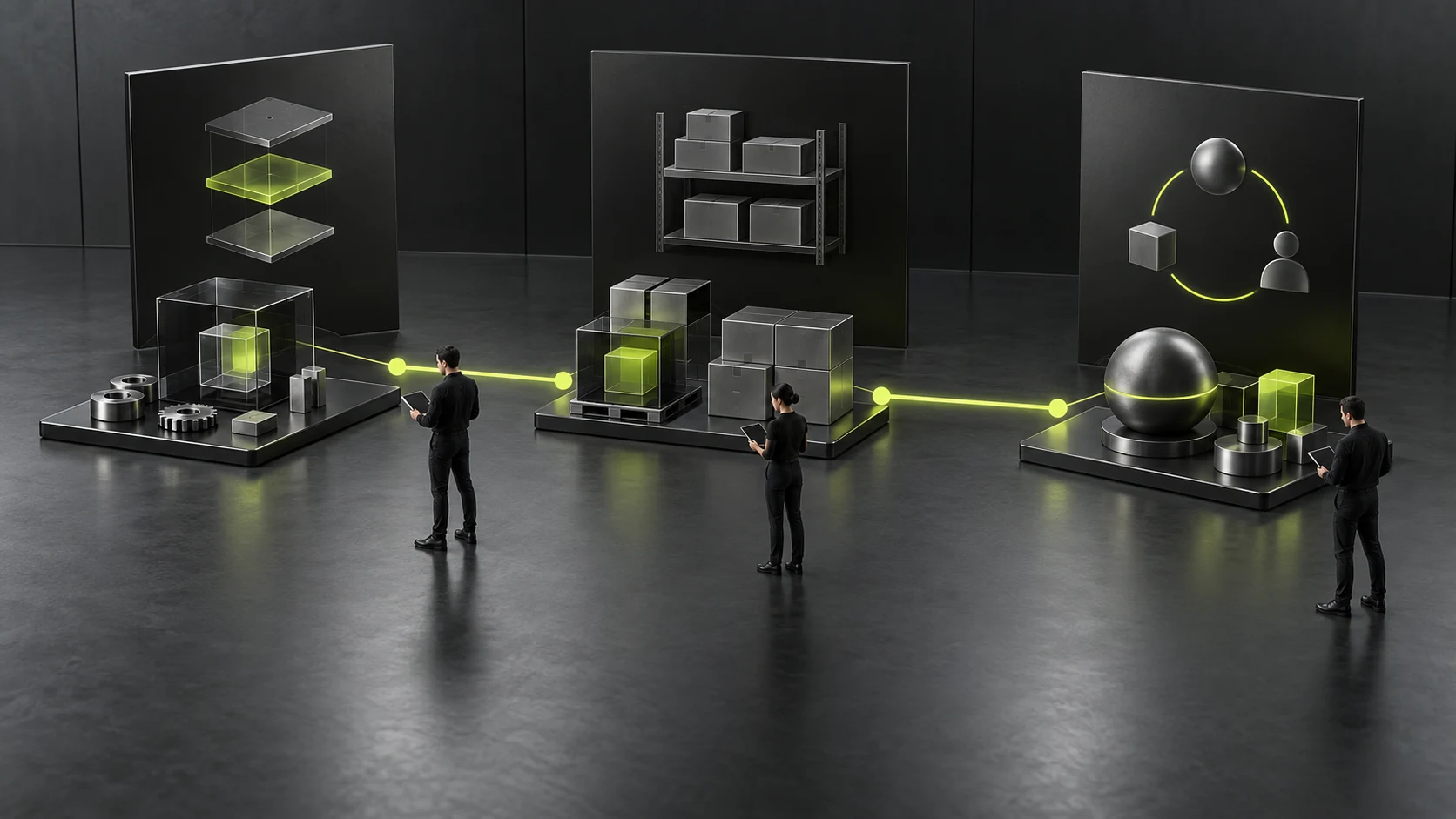
As many Chinese technology and industrial B2B businesses grow, they develop a hybrid business model combining “in-house development + authorized distribution + custom integration”: the company has several hardware and software products whose core patents it owns, is also a key authorized distributor in China for a well-known European or American brand, and jointly develops custom systems with universities or major customers.
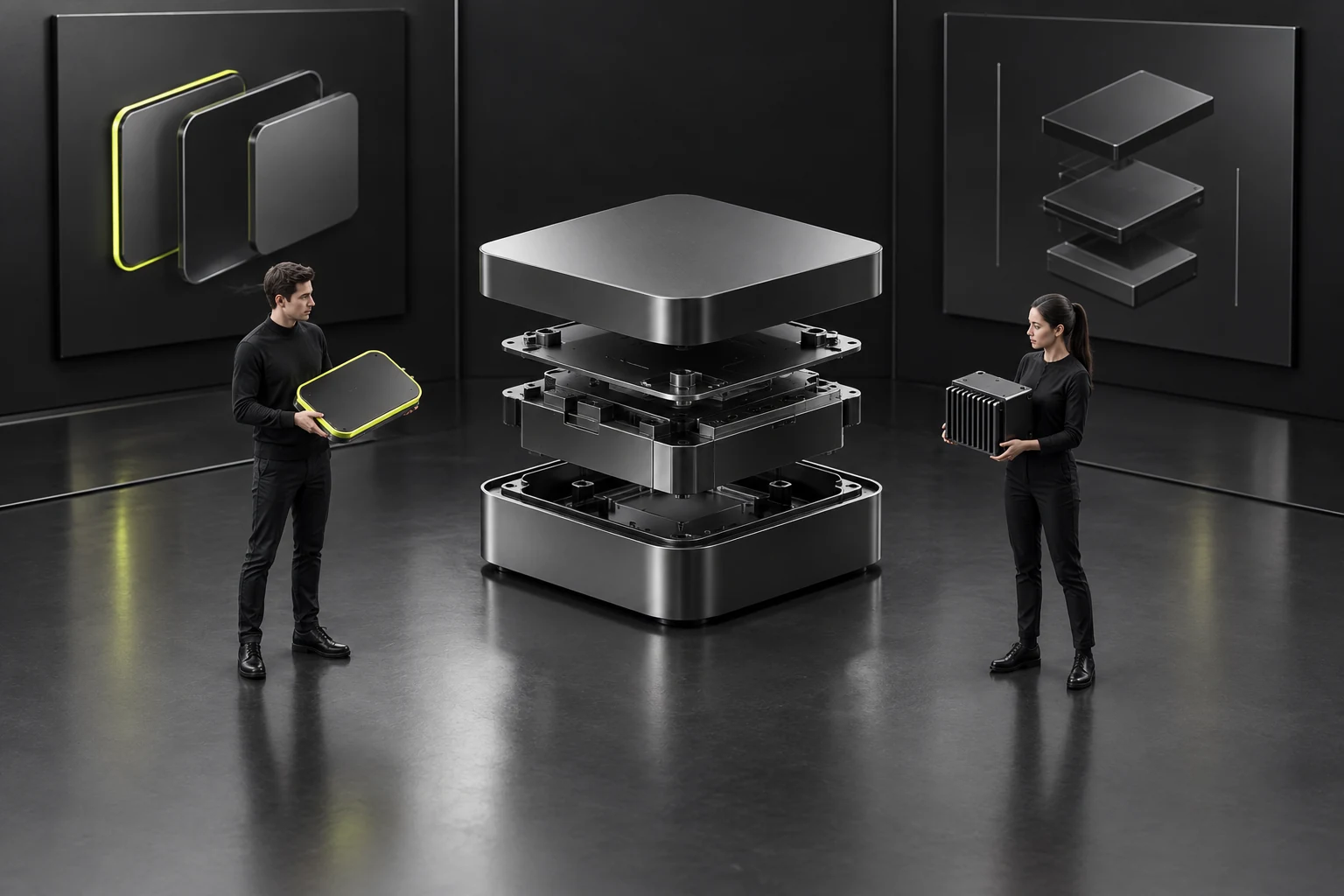
When building a website, these companies are especially prone to an ambiguous identity: if they mix products they distribute for major overseas brands and their own products in the same list, erase the original manufacturer's brand name, and promote them as their own, industry insiders will see through it immediately and view the business as “dishonest, like a shell company selling relabeled products.” Conversely, if the screen only emphasizes the logos of the major overseas brands they distribute, their own brand becomes entirely subordinate to someone else's, while their high-margin in-house products attract no interest.
1. Turn diverse businesses into comprehensive capabilities with clear “role labels and a value narrative”
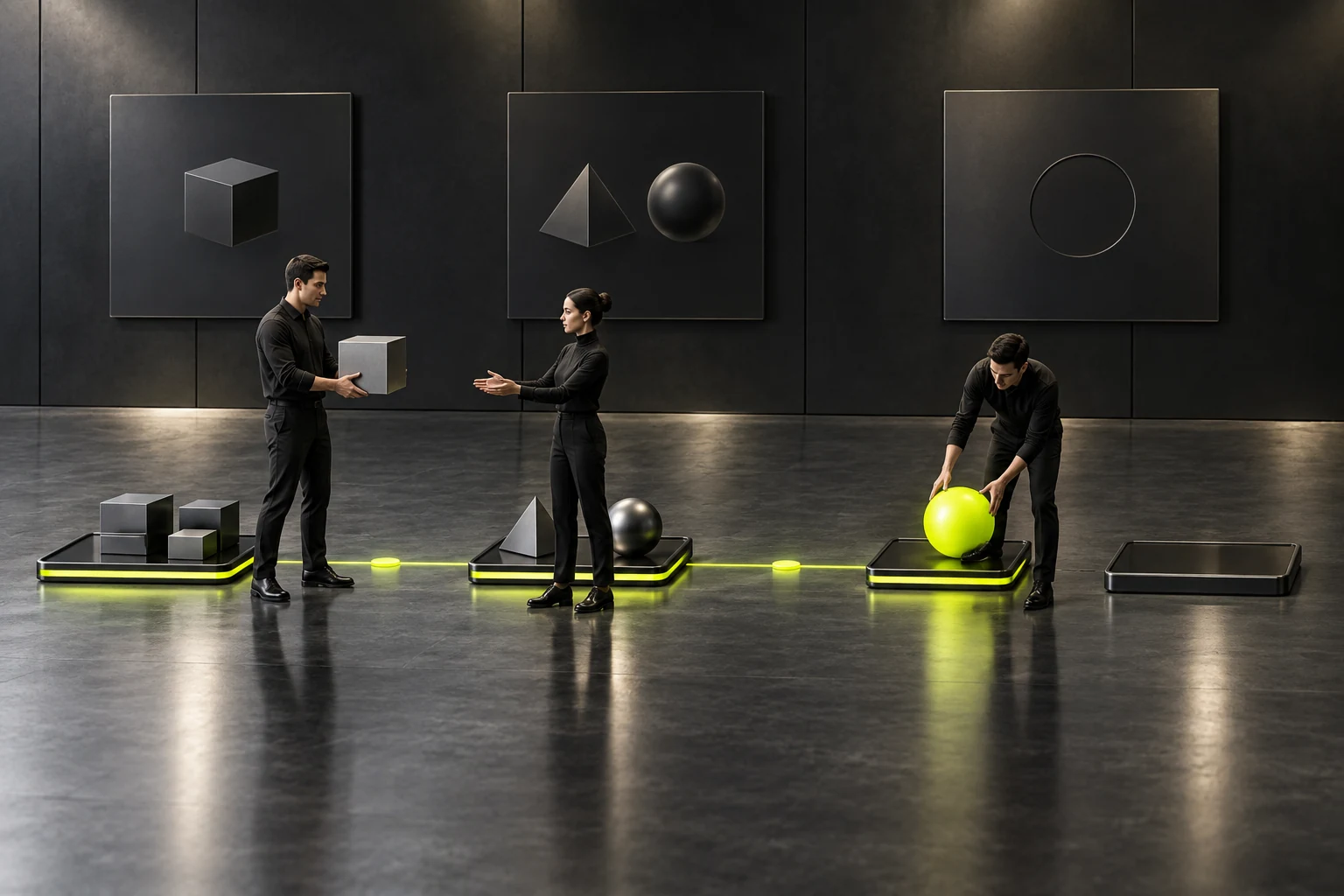
In B2B corporate website design, explaining the company's role in each product category honestly and intelligently strengthens rather than weakens its image. It can establish a rare expert position: “understanding core underlying R&D while providing selection from leading global supply chains and localized systems integration”:
- In-house-developed series (labeled
Core In-House Products / Proprietary Series) Place this first in the product navigation, use the company's own consistent industrial design renderings and brand colors, and emphasize patent numbers for proprietary intellectual property, on-demand customization of underlying source code/hardware interfaces, and rapid responses to demand for Chinese-made replacements. - Authorized distribution and ecosystem products (labeled
Officially Authorized Key Partner / Authorized Partner) Clearly display the original manufacturer's branding and the official distributor authorization certificate number, and shift the narrative from “who made the product” to “what unique added-value services customers receive when buying through us”—for example, direct shipment from stock in a Chinese bonded warehouse, a localized Chinese-language technical support team, and warranty-backed seamless integrated commissioning with in-house software systems. - Joint development and systems integration (categorized under
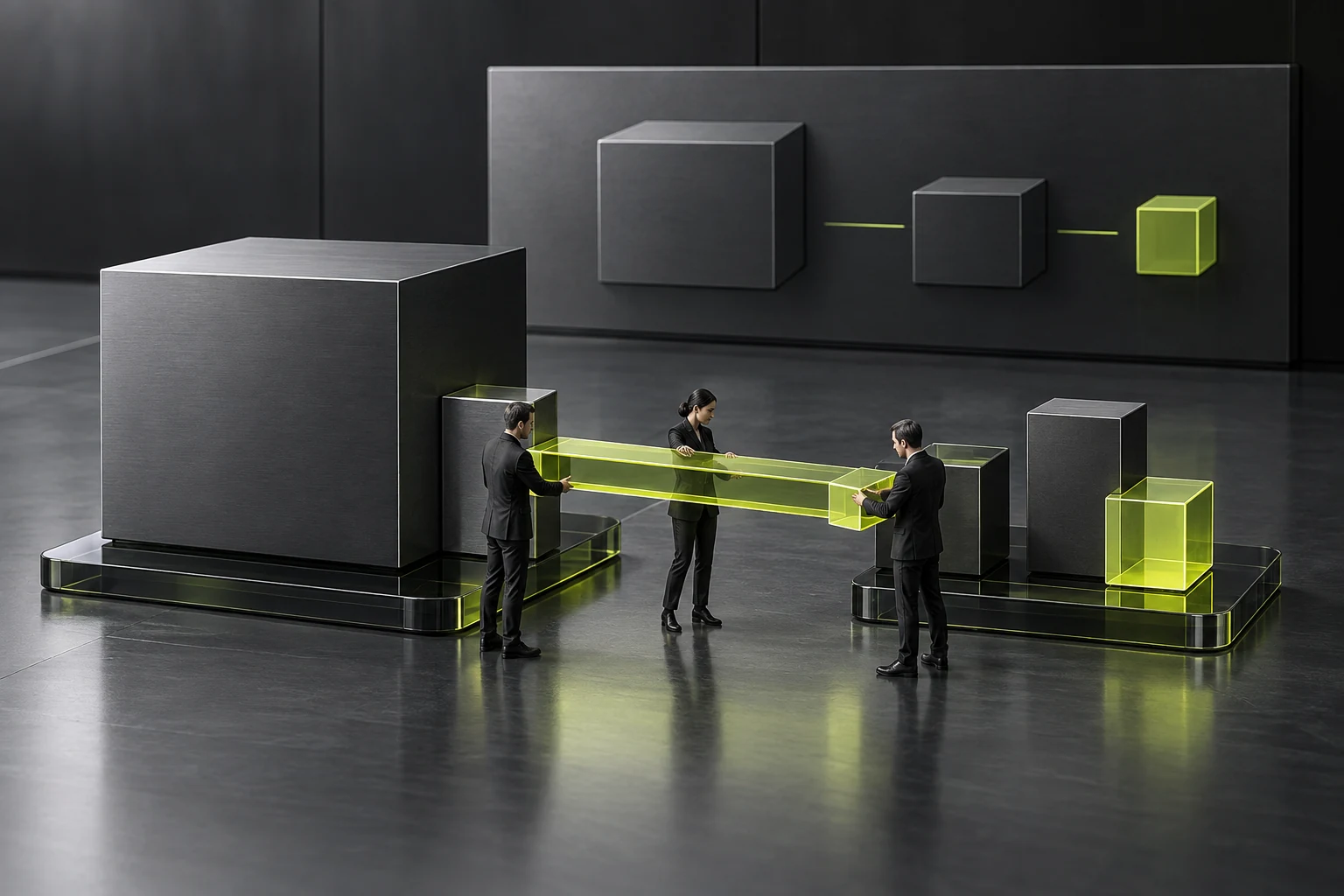
Industry Solutions / Integrated Solutions) Combine in-house modules with hardware from brands you represent into industry-specific turnkey solutions, demonstrating to customers that you are not simply a reseller buying and selling goods, but an engineering partner capable of implementing a complete solution.