When requesting a quotation for a brand upgrade or a new business, many companies start by asking: “How many initial concepts do you provide for a logo and VI package? Does it include unlimited revisions?” To win the contract, some low-cost suppliers readily promise “8 initial concepts, revised until you are satisfied.” Once work begins, however, clients soon discover that those 8 supposed concepts are simply 8 casually assembled combinations of library fonts. Later, when the visual identity needs to be applied to packaging boxes, exhibition backdrops, and the website homepage, both sides become embroiled in arguments about “whether this is a normal revision or an extra charge.”
In a professional brand visual design engagement, clearly defining “strategic initial concepts,” “detail revisions within the agreed baseline,” and “extensions to new touchpoints” is essential to efficient delivery for both client and provider.
1. Why are “2–3 thoroughly developed initial directions” far better than “8 graphics made up to fill a quota”?
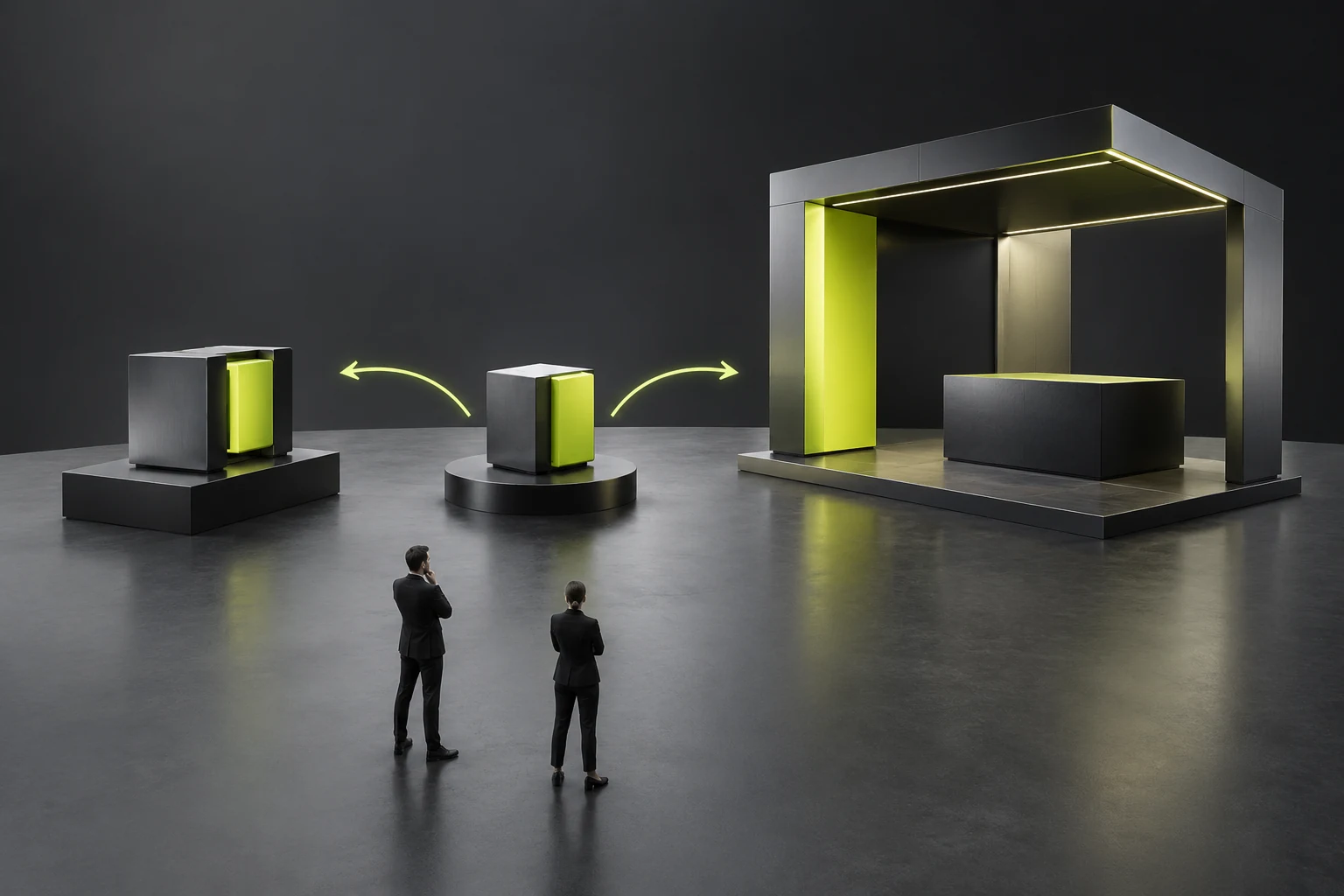
A brand visual concept that can genuinely be implemented is never just an isolated graphic. It must simultaneously demonstrate how the logo works at its smallest size (such as a 16px mobile icon), in monochrome reversed-out printing, in combinations with Chinese and English wordmarks, with core supporting graphics, and in real business contexts (business cards, staff badges, the website hero section, and product packaging). Focusing effort on 2–3 complete visual proposals with distinctly different strategic directions (for example, direction A emphasizing technical gravitas within the industry and direction B emphasizing youthful approachability) helps decision-makers make an accurate judgment.
2. A table distinguishing “agreed revisions,” “restarting with a different direction,” and “additional application extensions”
| Type of adjustment | Example scenario | Principles for fees and scheduling |
|---|---|---|
| 1. Detail changes within the agreed scope (Revision) | After concept 2 has been selected as the main direction, make small adjustments to the graphic's proportions and curves, the brightness and saturation of the brand blue, the stroke weight of the Chinese typeface, or the 10 application items on the specified list | Fully included in the standard contract quotation and the agreed revision rounds (usually 2–3 rounds) |
| 2. A strategic direction change across project stages (Pivot) | A “minimal geometric technology style” was confirmed in writing early on and the full VI application system was completed, but a subsequent change in the client's internal contact leads to a request to discard everything and switch to “a hand-drawn mascot style inspired by contemporary Chinese cultural trends” | This restarts the project by overturning an accepted baseline; additional fees and timing must be assessed according to the hours required for exploring new initial concepts |
| 3. Extensions to new touchpoints and materials (Extension) | The contract specifies a basic identity system + office stationery (business cards/envelopes/PPT templates), but late in the project the client decides to add “dieline artwork for 3 printed product cartons + final artwork for a 6-meter custom-built exhibition booth” | This increases the number of deliverables; the additional scope is calculated separately according to the design and prepress artwork hours required for the new materials |